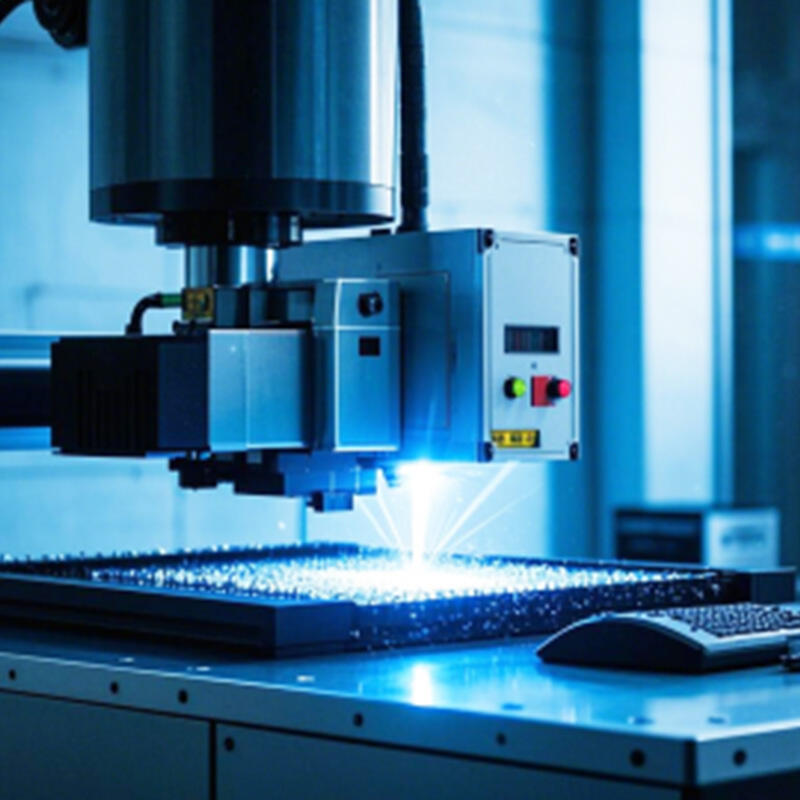
Regular safety goggles give absolutely no protection against CO2 laser radiation at 10.6 microns, which is exactly what those carbon dioxide engraving machines put out. The big difference here compared to visible light is that this infrared radiation gets soaked up completely by the water in our eyes, leading to immediate burns. Research shows permanent eye damage happens within less than a quarter second if someone looks directly at it or even catches reflections. For proper protection, workers need special glasses designed specifically for absorbing 10.6 microns. These should block over 99.9% of that wavelength while still letting through enough visible light to see clearly. Such protection also covers dangerous backscatter from shiny materials like metal surfaces and acrylics, something that stays risky well past ten meters away. Safety professionals always check that the optical density rating goes above OD 5 for 10.6 microns. Most off-the-shelf "laser glasses" just don't cut it when it comes to this particular infrared threat.
CO2 laser engraving machines fall into Class 4, which is basically the top danger level for lasers. These bad boys can cause instant skin burns and really serious eye damage that threatens vision. The reason? Well, at 10.6 micrometers wavelength, the laser gets absorbed by the water in eyes, leading to fast vaporization and tiny explosions that destroy the outer layer of the cornea. Because of how this heat works, following ANSI Z136.1 safety standards isn't just good practice it's absolutely necessary. And what does this standard actually require? Let's take a look at what operators must do to stay safe when working with these powerful tools.
Working with CO2 lasers creates different toxic byproducts depending on what material gets engraved, so proper safety measures are absolutely necessary. When acrylic starts to break down during cutting, it gives off hydrogen cyanide (HCN) which can be deadly even at very low levels around 100 parts per million. That's why many shops have special ventilation systems installed. PVC materials release chlorine gas (Cl2) when processed, something that not only irritates lungs but also needs special explosion proof ductwork and sometimes requires evacuating areas if concentrations get too high. Woodworkers face another challenge altogether since laser cutting wood produces formaldehyde vapors along with tiny particles called PM2.5. These microscopic bits stick around in workshop air and according to WHO research, they're actually classified as Group 1 carcinogens connected to serious health issues like nose throat cancer and lung scarring. Safety regulations from OSHA make this stuff pretty clear too wood dust shouldn't go above 5 milligrams per cubic meter before it becomes a problem that needs reporting, while those dangerous gases from acrylic and PVC need constant monitoring because they act so quickly on the body.
Getting proper fume control right involves three main engineering approaches that follow both ASHRAE 110-2016 standards and recommendations from NIOSH on ventilation systems. The first thing to check is keeping at least 12 air changes per hour in areas where people actually work. We recommend checking this every three months with good quality anemometers to make sure readings are accurate. Next up, air moving through the ducts needs to stay around 20 to 25 meters per second. This speed range keeps particles from dropping down and ensures all those fumes get properly removed from the workspace. Lastly, having multiple stages of filtration makes a big difference. Most facilities find that combining different filter types works best for capturing various kinds of contaminants before they can escape back into the environment.
The main causes of fire hazards when using CO2 lasers for engraving are heat buildup at the focal point and accumulation of flammable residue. When properly set up, air assist systems that blow clean, dry air right onto the work area can cut down on ignition chances by around two thirds according to tests done following ASTM E2058 standards. Regular maintenance matters too. Cleaning surfaces daily with tools that won't spark helps clear away dangerous bits left behind after working with materials like wood, acrylics, fabric, and composite boards. And here's something really important nobody wants to forget: most laser shop fires happen when nobody's watching. Statistics show that well over ninety percent of incidents take place during unmonitored operations. To prevent this, shops should install safety devices that require operators to stay present. Foot switches or motion sensors work well for this purpose, shutting off the laser automatically if there's no activity detected within fifteen seconds or so.
Good beam containment remains essential for anyone working with Class 4 lasers. The enclosures need those fail-safe interlocks that shut down the 10.6 micrometer emissions pretty much instantly when someone opens a door or accesses a panel. We're talking about stopping the beam within just 100 milliseconds. For quarterly checks on enclosure integrity, following EN 60825-1 standards means using photodiode detectors that have been properly calibrated through NIST traceability. These detectors check for leaks around every seam, viewport, and joint area. If readings show more than 5 milliwatts per square centimeter at any point where people might get exposed, that's serious trouble and violates safety regulations. Keep detailed records after each inspection too. Include copies of detector calibration certs, exactly where measurements were taken, and what fixes were made if anything was wrong. Having these records proves ongoing compliance with global laser safety rules and keeps workers safe whether they're doing regular maintenance or handling materials near the equipment.
Eyewear specifically designed for 10.6 µm wavelength should be used, blocking over 99.9% of radiation while allowing visible light to pass through.
ANSI Z136.1 provides essential guidelines to prevent eye and skin burns, requiring measures like enclosed beam paths and operator training to mitigate risks associated with Class 4 lasers.
Toxic byproducts include hydrogen cyanide from acrylics, chlorine gas from PVC, and formaldehyde from wood, necessitating rigorous ventilation and monitoring.
Fire risks can be minimized with air assist systems, regular debris management, and implementing no-unattended-operation policies.
Shandong ZhongGuangDian provides advanced laser marking machines and custom laser equipment for various industries. Our reliable products, fast delivery, and lifetime warranty ensure customer satisfaction.
 EN
EN