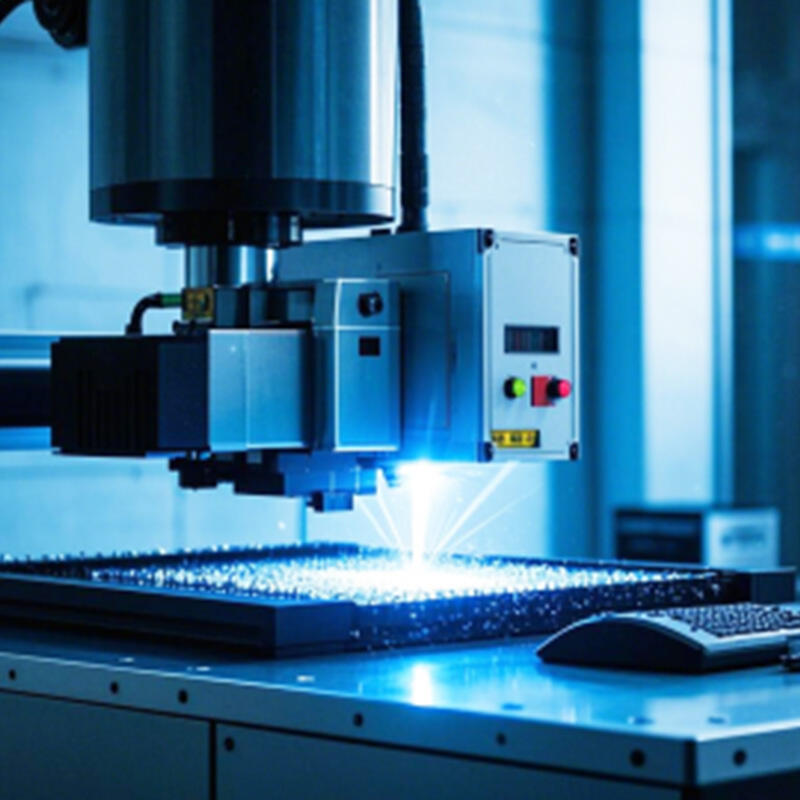
CO2 laser engraving machines basically melt away material as they work, sending out tiny particles that can be breathed in. These include PM10 particles which are 10 microns or smaller, plus even tinier PM2.5 particles measuring less than 2.5 microns across. Studies at Carnegie Mellon have found that when working with plastics and composite materials, these microscopic bits can actually get deep into lung tissue. The really small stuff, anything under a single micron in size, tends to float around in the air for several hours, making it possible to inhale them if proper ventilation isn't there. What gets engraved matters too. Acrylic surfaces tend to create much finer dust compared to wood materials. Leather is another story altogether since engraving it creates complicated mixtures of both organic and inorganic compounds, something that needs special filters to handle properly.
What materials get engraved has a big impact on what kind of gases come out of CO2 laser machines. When working with acrylics, the process gives off methyl methacrylate which is one of those volatile organic compounds that can irritate people's lungs. Woodwork isn't much better either since it tends to emit formaldehyde along with carbon monoxide at levels between 15 to 40 parts per million. That's below OSHA's 50 ppm limit but workers should still keep an eye on their exposure. Leather presents even bigger problems as it produces dangerous substances like hexavalent chromium and hydrogen cyanide. And don't forget about synthetic fabrics either they might start releasing harmful cyanide compounds when heated too much. Recent research from last year showed that when lasers work on textiles without proper ventilation, the VOC levels go way over what NIOSH considers safe by about three times. This makes good ventilation systems absolutely essential for anyone running these kinds of operations.
CO2 laser engravers generally need about 30 to 50 percent more power compared to their fiber laser counterparts. The reason? Well, these CO2 systems work great for materials like wood, acrylics, and leather but they just aren't as efficient when it comes to converting electrical power into actual laser action. Take a look at the numbers for example. A standard 100 watt CO2 machine will pull around 1800 watts from the wall socket, while a similar fiber laser can do basically the same job using only about 1200 watts. Why such a big difference? It all boils down to how these machines are built inside. CO2 lasers require those high voltage charges to get the gas molecules going, whereas fiber lasers have this diode pumped solid state tech that doesn't waste so much heat along the way.
How green a carbon dioxide laser engraver really is depends far more on what powers it than on the machine itself. When running on grids where coal still dominates, these CO2 lasers put out around 1.2 kilograms of CO2 for every kilowatt hour they consume. That's almost twice what fiber lasers produce at their 0.7 kg per kWh rate when everything else stays the same. But switch to clean energy sources and suddenly both types drop down to just 0.05 kg per kWh in emissions. Shops that install their own solar panels can slash their overall carbon footprint by nearly 90 percent. This shows something important about going green: sometimes where we get our power matters just as much as what kind of machines we buy for our operations.
| Energy Factor | CO₂ Laser | Fiber Laser |
|---|---|---|
| Avg. Power Draw (100W) | 1.8 kW | 1.2 kW |
| CO₂ Emissions (Coal Grid) | 1.2 kg/kWh | 0.7 kg/kWh |
| Emissions Reduction (Solar) | 89% | 91% |
CO2 laser engravers cut down on all those dangerous chemicals and physical stuff that come with old school engraving methods. Take a look at what happens when we compare them to things like chemical etching, sandblasting, or mechanical milling. Laser systems just don't need solvents, acids, or those replaceable bits everyone keeps buying. They work through this process called precision ablation where they basically vaporize material without touching it directly. The kerf width can get really tight too, sometimes as small as point one millimeter which means less wasted material overall. Plus digital repeatability helps prevent those annoying alignment issues and prevents over processing materials. Shops that have switched over tell us they save anywhere from 15 to almost 40 percent on materials versus traditional approaches. Another big plus is that lasers skip right past all those VOC emissions, heavy metal leftovers, and spent abrasives problems associated with screen printing, rotary engraving, and those acid baths used for marking metals.
This chemical-free, low-waste profile supports circular economy goals—and lowers long-term regulatory compliance burdens related to hazardous waste disposal and air emissions reporting.
CO2 laser engraving tech is changing how we make sustainable textiles, basically putting an end to those old school methods that guzzle resources like stone washing and chemical dips. What happens here is pretty cool actually - the machine uses heat to zap away surface fibers, creating those classic faded looks, whiskers, and custom designs on denim without needing any water baths or harmful substances. Talk about efficiency! One setup can save around 1500 liters of H2O for each batch of jeans produced, plus cuts down energy consumption during finishing by roughly 60% compared to traditional approaches. And there's another bonus too. Since everything runs digitally now, manufacturers can produce what they need when they need it, which means less stuff sitting in warehouses collecting dust and way fewer scraps going to landfills. With fashion companies scrambling to meet stricter environmental standards these days and customers getting smarter about their purchases, switching to laser finishing makes sense both ecologically and commercially. The results speak for themselves without sacrificing creative options or production speed either.
CO2 laser engraving machines generate tiny particles like PM10 and PM2.5 which can be inhaled. Particles measuring smaller than a micron can stay airborne for several hours.
Materials like acrylic produce volatile organic compounds, while wood emits formaldehyde and carbon monoxide. Leather can produce hexavalent chromium and hydrogen cyanide, all requiring proper ventilation.
CO2 lasers generally use 30 to 50 percent more energy than fiber lasers, largely due to less efficient conversion of electrical power to laser output.
CO2 lasers powered by coal can emit double the CO2 as fiber lasers. Using renewable energy sources significantly reduces emissions for both types.
They minimize waste by eliminating the need for solvents, acids, and prevent issues associated with traditional engraving like VOC emissions and heavy metal waste.
Shandong ZhongGuangDian provides advanced laser marking machines and custom laser equipment for various industries. Our reliable products, fast delivery, and lifetime warranty ensure customer satisfaction.
 EN
EN