EN
EN

Core Principles of Laser Marking Technology
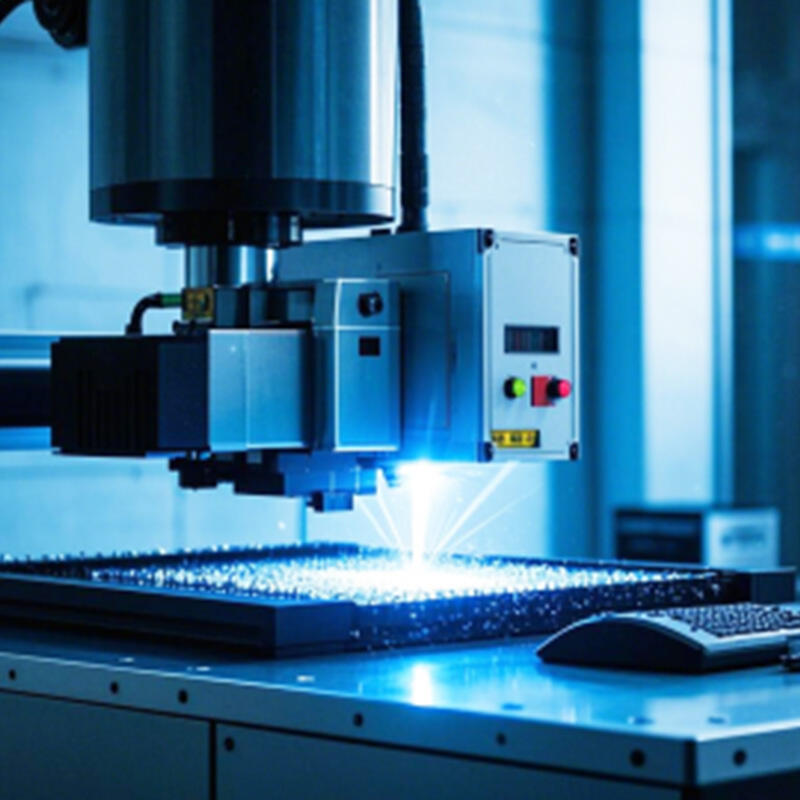
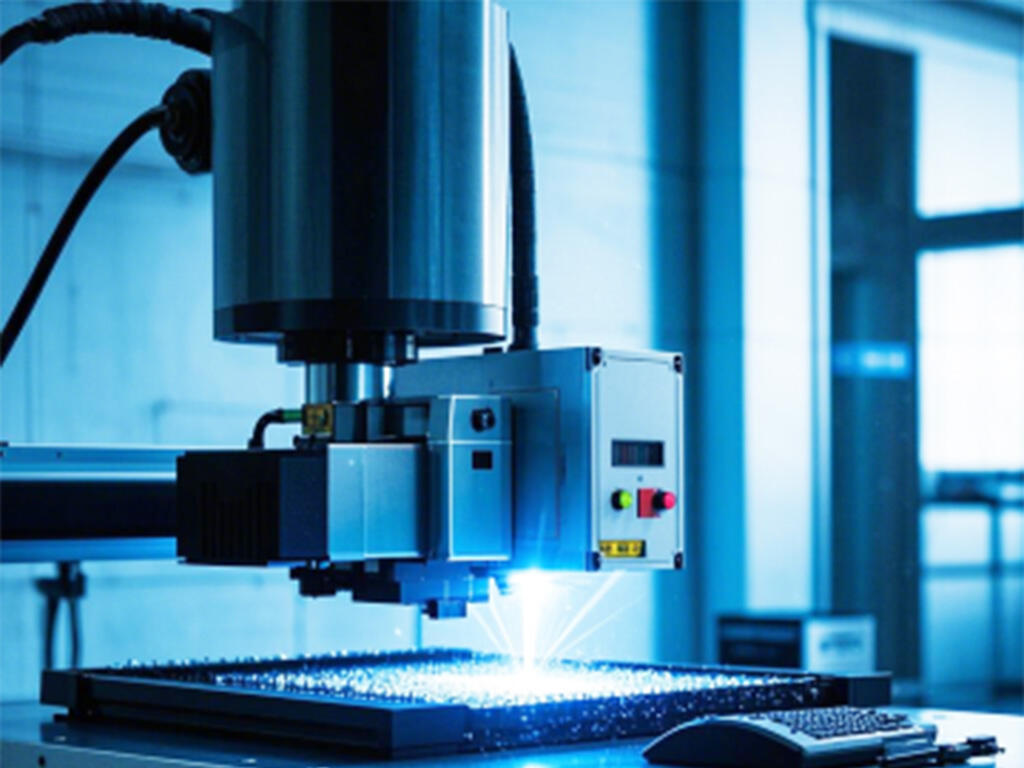
Laser marking technology is a non-contact process that uses a light source to change the surface of a part or component. The three primary techniques, annealing for metals (heat-induced oxidation), engraving for deep identification (material vaporization), and color change for surface chemistry modification, are suitable for different materials needs. Based on studies of photon-matter interaction these photon-matter reactions differ with substrates and it facilitates sharp images to appear on materials ranging from titanium to polymers. Laser systems are used for high-precision (micron-scale accuracy) machining and do not have the mechanical instability problems that can lead to thermal damage, which is critical for medical and aerospace components. This is traceability to FDA/EU MDR standards, achieved by long-lasting, anti-forgery marking, tested in compliance with ISO 13485:2024.
Fiber vs. CO2 vs. UV Laser Marking Systems
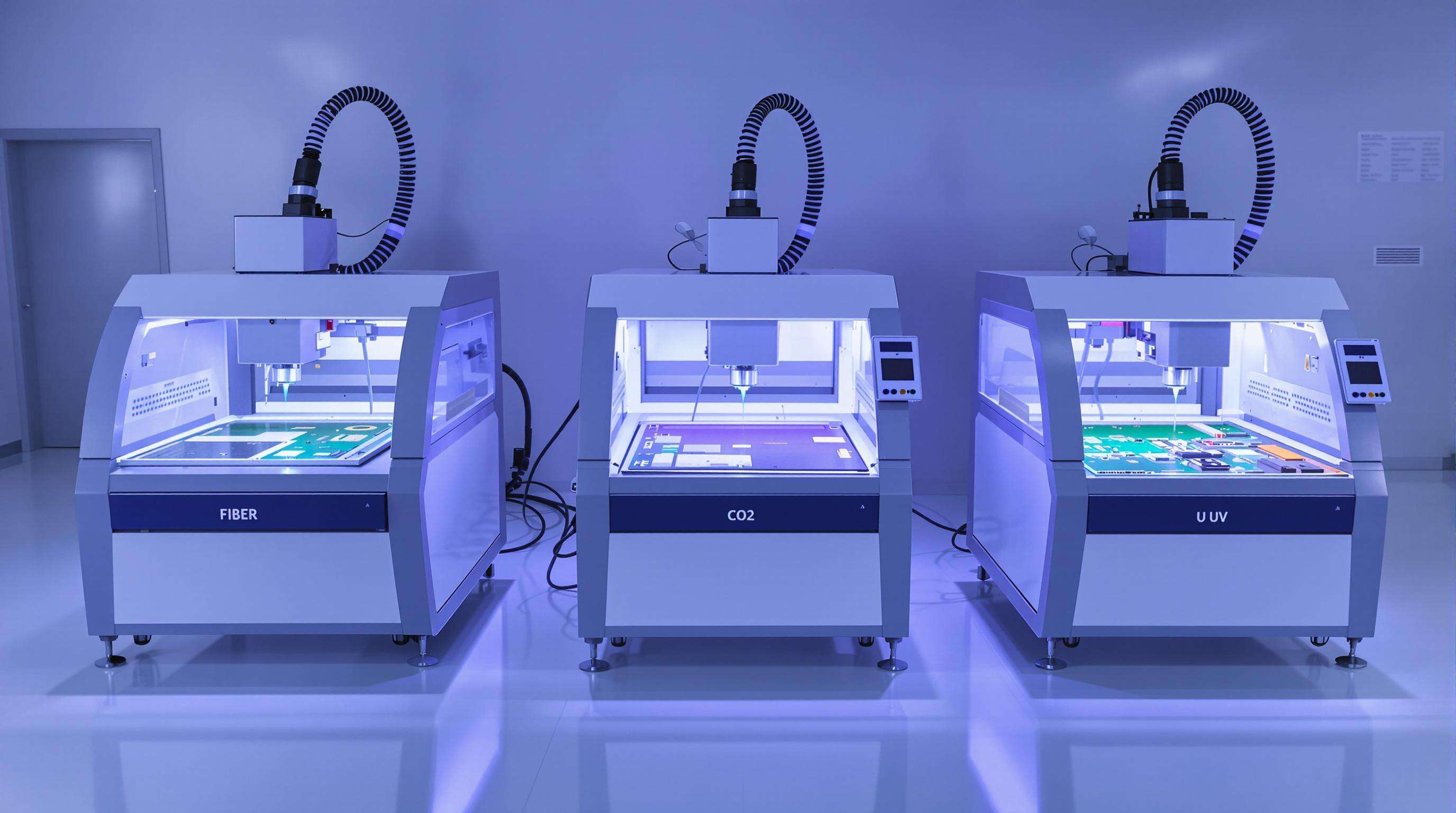
Modern industrial marking relies on three core technologies, each optimized for specific material types and precision requirements. Choosing between fiber, CO2, and UV laser systems hinges on factors like substrate composition, marking depth, and production throughput.
Fiber Laser Marking: Precision in Metal Engraving
Fiber Lasers[url] The 1.064 nm laser lights prevail for metals with +/-0.01 mm accuracy in metal marking such as stainless steel, titanium and aluminum. These devices are between 20 and 50% faster compared to mechanical engraving serial numbers, QR codes and logos. Turbine blade manufacturers in aerospace and power generation use fiber lasers to mark for life blade identifiers that do not burn off at 1,200°C operating temperatures. Since they have solid state design, there are no moving parts or filaments to break, so you can expect over 100,000 hours of trouble-free use!
CO2 Lasers for Non-Metallic Materials
Operating at a 10.6 µm wavelength, CO2 lasers work well with organic materials such as ABS, MDF and ply wood, and acrylics. Their noncontact method ensures no delamination at medical package marking, as they maintain admirably consistent sterilization survival rates for FDA compliance. The latest technologies allow PVC cables to be hot stamped to 0.2 mm fonts – 60% smaller than conventional hot stamping process. Nevertheless, CO2 systems need an additional 15-25% of energy than fiber lasers for the same productivity.
UV Laser Applications in Micro-Marking
UV laser marking (355 nm) allows <10 µm resolution for semiconductor wafer ID marking with no microcracks. For ISO 13485, this cold-marking technology ensures that all polycarbonate medical device surfaces are 99.9% intact. UV systems, used by the electronics industry to mark 0.5mm² QR codes onto circuit boards – 80% smaller than is possible with fibre laser but with 100% scannability.
Laser Marking in Automotive, Aerospace, and Medical Industries
Laser marking systems have become indispensable across manufacturing sectors requiring permanent identification, traceability, and regulatory compliance.
VIN Marking for Automotive Traceability
Fiber lasers are also used by automakers to mark vehicle identification numbers (VINs), often directly onto the engine block, chassis or transmission. These marks are resistant to high and low temperatures (-40°C to 500°C) and to chemical agents used in vehicles. For recall management and anti-theft prevention, scannable codes with a character height of 0.1 mm are also possible on slightly curved surfaces, which is a state-of-the-art feature.
Aerospace Part Identification Compliance
Pulsed UV lasers are used in aerospace manufacturing to label or mark titanium turbine blades and aluminum of the fuselage without micro-cracking. the FAA requires permanent part numbers which include the heat treat batch & supplier code (AS9100D) counterfeiting is not limited to the product - it is also about the manufacturer (source) Certifying Statement/Uses. Vision-based positioning has also been incorporated with hybrid laser systems that can accommodate complicated geometries such as fuel nozzle threads to an accuracy of 15 µm.
Medical Device UDI Implementation
Medical Laser Marking complies with UDI (Unique Device Identification) requirements in accordance with FDA 21 CFR Part 830 and EU MDR 2017/745. Picosecond lasers ablate sub-surface marks on surgical steel surgical instruments that are autoclave cycle resistant. Recent advances allow direct part marking (DPM) of polymer implants with 0.78 mm² and smaller data matrices that carry lot numbers and expiration dates, resulting in an 87% reduction of labeling errors.
Anti-Counterfeiting and Regulatory Compliance
Permanent Marking for FDA/EU MDR Compliance
FDA (2023) and EU Medical Device Regulation (MDR) guidelines require permanent laser marking of critical components (e.g., surgical instruments and implants). These regulations mandate UDI as an irreversible identification applied to prevent discrepancies between devices and records throughout the 15–30 year life of a device. In an investigation of 2022 medical device recalls, 62% of the non-compliance issues were attributed to markings that were not readable or fully degraded, leading to the uptake of fiber laser systems that enable sub-5µm engraving depths in titanium and stainless steel.
Brand Protection Through Micro-Text Engraving
UV laser systems have been used to connect the Two together by microscopically etching alphanumeric sequences (0.05–0.2mm high) into product materials to produce covert authentication features. A study conducted in 2023 on anti-counterfeiting revealed that the numbers of unauthorized replication tries in luxury goods and pharmaceuticals was reduced by 78% with the application of micro-text engraving over holograms. This capability allows manufactures to encode batch-specific data in 2D matrices smaller than 0.8mm² with <0.1% material stress – an important point for the sensitive aerospace alloys and with FDA and other regulatory authorities for polymer drug packaging.
Smart Manufacturing Integration (AI & IoT)
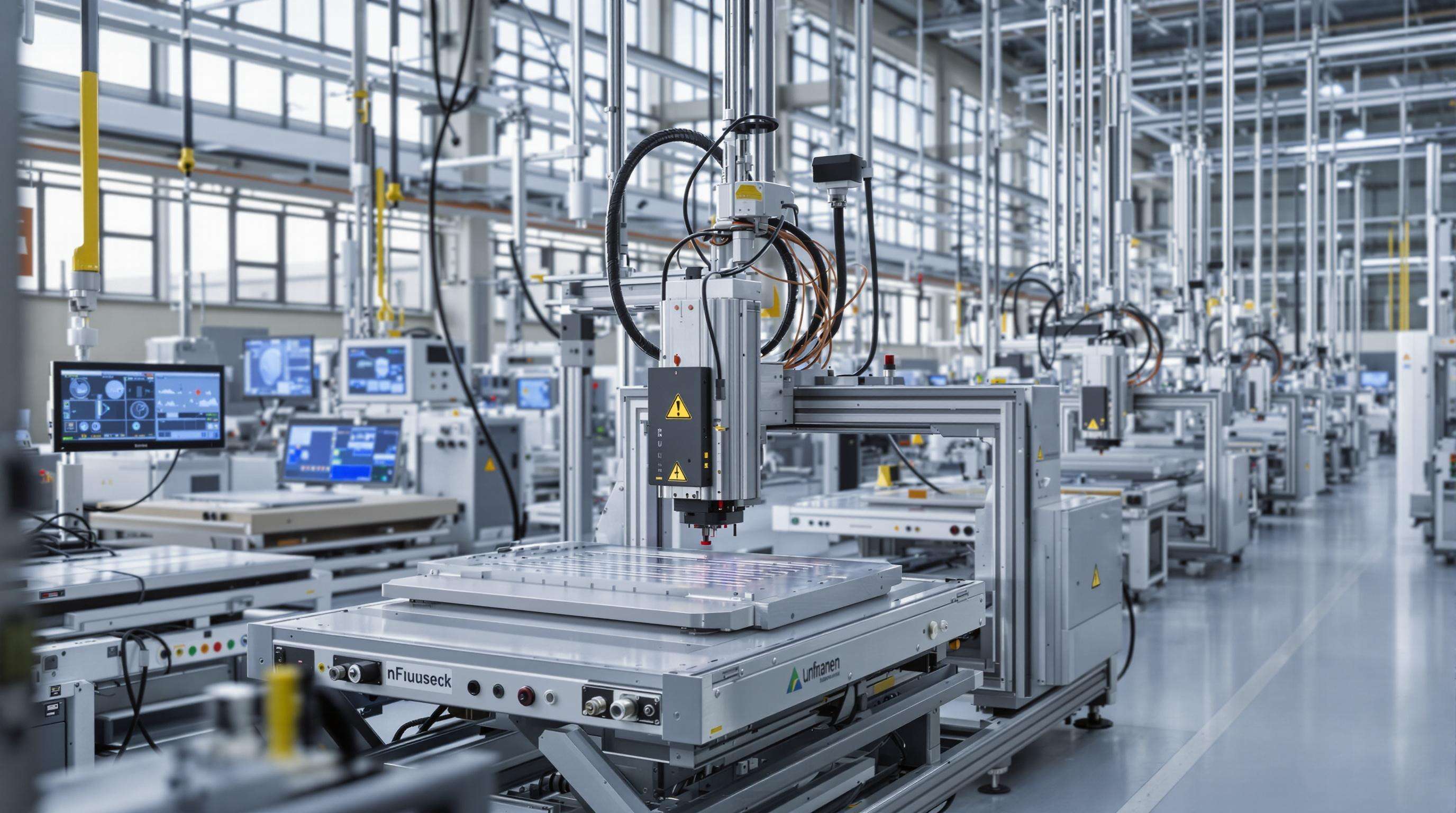
AI and IoT integrated into laser marking systems are transforming production efficiency in all verticals. The 2024 Smart Manufacturing Report highlights that manufacturers leveraging these technologies can realize an automatic process improvements that result in 12% lower operational costs, along with a 10% increase in productivity. This integration allows laser markers to auto adjust settings and predict maintenance in order to establish optimal workflows within Industry 4.0 systems.
Automated Marking Workflows with AI Vision
Such AI-based vision system can achieve 99.9% accuracy for defect detection in laser marking. These systems asses, in real time, the surface texture and the material characteristics and compensate automatically any anomalies that used to need manual adjustment. The European Commission predicts 25% productivity increases in smart factories, as a result of such automated processes (by 2027), in the context of high volume component marking, where high alignment accuracy of the mark is crucial with regard to the downstream assembly process.
Real-Time Quality Control via IoT Sensors
IoT-enabled laser markers transmit 150+ process parameters per second to centralized monitoring platforms. This data stream enables immediate adjustments to power settings and focal lengths when environmental sensors detect temperature or humidity fluctuations. Manufacturers report 20% fewer quality rejects in medical device marking applications since implementing these connected systems.
Technological Advancements Driving Market Growth
Compact Benchtop Laser Machines (2025 Trend)
Indeed, the move toward such space-saving laser solutions is gaining pace, with 65% of manufacturers reporting compact benchtop systems are the top choice for marking of small parts. These machines (less than 0.5m² footprint) save 40% of energy in comparison to conventional ones and keep a 20µm precision machining of metals and polymers. A 12% average annual growth is forecast for compact laser markers until 2030, when their compatibility with AI-supported quality control workflows in electronics and medical product manufacturing is driving this momentum.
Hybrid Laser Welding/Marking Systems
New or ongen leading manufactures now combine welding and marking in a single-head system, reducing production stcps by 30 per cent and in the production ot automotive components. These hybrid micro-systems match ≤0.1mm alignment accuracy between weld seam and Data Matrix codes, while reaching A S9100 aerospace level – without the addition of interchangeable tools. Recent installations report saving 25% on argon gas usage for processing titanium parts, fulfilling the need for more cost-effective and increasingly environmentally-friendly manufacturing.
The global laser marking market is projected to grow at an 8.3% CAGR through 2035, driven by increasing demand for permanent part identification across manufacturing sectors. By 2030, the market will surpass $4.2 billion, with Asia-Pacific accounting for 42% of installations due to expanding automotive and electronics production in China and India.
Three key factors shape this growth:
- Regulatory mandates: Strict FDA and EU MDR requirements will push medical device manufacturers to adopt laser marking for 98% of Class II/III implants by 2028
- Smart factory integration: IoT-enabled marking systems will represent 67% of new industrial installations by 2027
- Anti-counterfeiting demand: Micro-text laser engraving solutions for luxury goods and pharmaceuticals will grow 12% annually through 2035
North America and Europe remain critical markets due to aerospace recertification protocols and electric vehicle battery traceability standards, while emerging economies accelerate adoption of compact benchtop systems for small-part engraving.
FAQ
What is laser marking technology?
Laser marking technology is a non-contact process that uses a laser light source to alter the surface of a material for identification purposes, often utilized for traceability, anti-counterfeiting, and regulatory compliance.
How do fiber lasers differ from CO2 and UV lasers?
Fiber lasers are best for metal marking with high precision. CO2 lasers are used for non-metallic, organic materials, and UV lasers are effective for micro-marking applications, especially in electronics.
What industries use laser marking systems?
Laser marking systems are prevalent in automotive for VIN marking, aerospace for part identification compliance, and medical sectors for device identification (UDI).
How can laser marking help prevent counterfeiting?
By using micro-text engraving and permanent marks, laser systems can create features that authenticate products and reduce unauthorized replication attempts.
What is the future of laser marking technology in manufacturing?
The integration of AI and IoT is enhancing production efficiency, and compact benchtop and hybrid laser systems are trends driving market growth.