EN
EN

Core Features of the HB-6090D Wood Laser Engraving Machine
Precision Engineering for Intricate Wood Designs
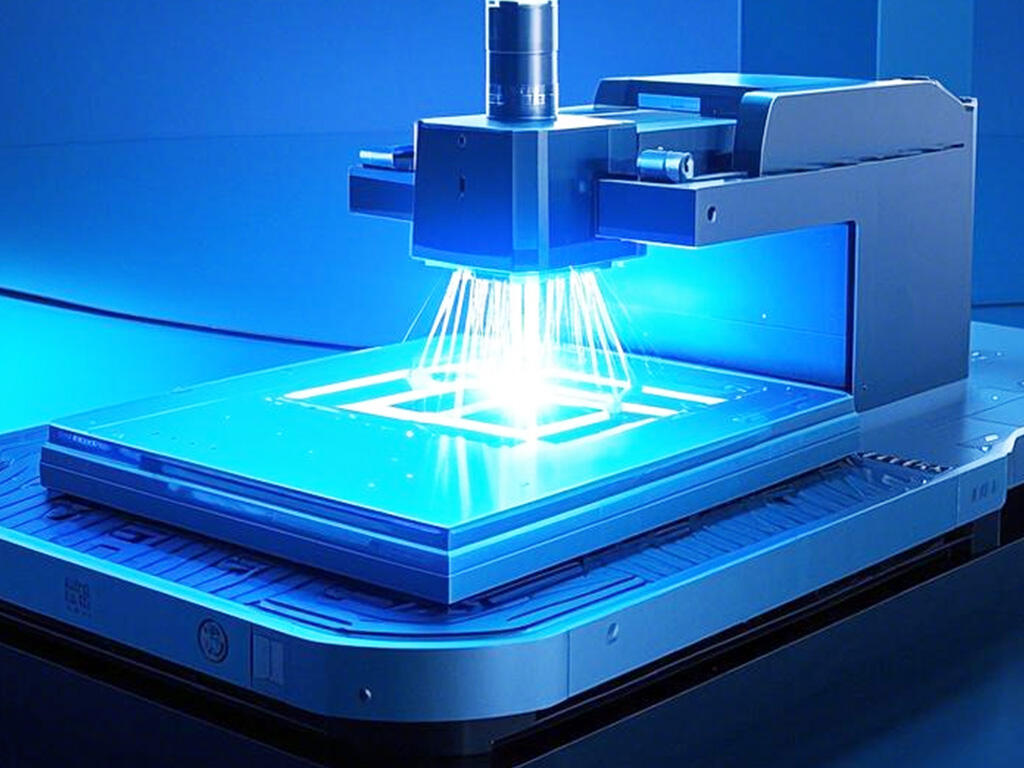
The HB-6090D incorporates advanced engineering methods that enable high resolution engraving, which makes it great for creating detailed wood designs. The machine has precision parts that keep the laser beam focused properly, so it can handle intricate patterns and tiny details without issues. With its high resolution features, users can create complicated designs needed for things like custom furniture pieces, picture frames, and those fancy wooden inlay decorations. This turns ordinary wood into something artistic with really clear lines and accurate details. For both artists and small business owners looking to make impressive wood carvings, the HB-6090D's precise engineering opens up new possibilities they might not have considered before.
High-Speed Processing for Improved Workflow Efficiency
The HB-6090D comes with a super fast laser head that cuts down on engraving time quite a bit, so projects get done faster than before. What this means is businesses can crank out more work without sacrificing quality, which is huge when they need to keep up with demand. The motorized controls on this machine move really quickly across whatever needs engraving, making sure there are no hiccups during the process and saving time on manual adjustments. For small shops that live and die by meeting tight deadlines, this kind of speed makes all the difference. When engravers streamline their workflow like this, they actually fix some major pain points in their daily operations, giving them an advantage over competitors who still struggle with slow machines and long wait times for customers.
Advanced Beam Control for Consistent Results
The HB-6090D keeps laser intensity steady thanks to its advanced beam control tech, which means engraving results stay consistent every time. For jobs that require multiple passes, this matters a lot since each layer comes out exactly as intended without any unexpected variations. When working on complicated designs with several layers or intricate details, having reliable results makes all the difference in maintaining quality standards. Artists and manufacturers appreciate knowing what they'll get when using this machine because it fits smoothly into their workflow and cuts down on those frustrating last minute fixes that eat up time and money. Simply put, the HB-6090D delivers great engraving quality while keeping things looking uniform from one project to the next.
Optimized Cooling Systems for Extended Operation
The HB-6090D comes equipped with advanced cooling systems that stop the machine from getting too hot, so it can run longer without losing power or speed. These cooling features actually lengthen how long the laser tube lasts and keep the whole machine running smoothly over time, which cuts down on repair bills in the long run. Good cooling protects important parts against heat damage, making sure everything stays durable enough for constant production work. For small shops dealing with tight deadlines, this means they can count on their HB-6090D to handle heavy workloads day after day without breaking down. The machine just keeps going when others might quit, saving money on unexpected fixes and downtime. That's why many manufacturers choose this model when they need reliable performance through those marathon production sessions.
High-Precision Wood Engraving Technology Explained
Dual Laser Positioning Systems for Accuracy
When it comes to wood engraving work, having those dual laser positioning systems really makes all the difference for getting things right. The way these setups handle different design specs is pretty impressive actually they line up and calibrate those laser beams so precisely. Woodworkers who use this tech can rest easy knowing their engravings come out just as planned no matter how complicated the design might be. Even the tiniest details in complex patterns show up clearly on the wood surface, which means customers get much better quality products at the end of the day. Some shops report being able to produce twice as many custom pieces without sacrificing detail thanks to these systems.
Dynamic Focus Adjustment for Variable Material Thickness
Adjusting focus dynamically makes all the difference when dealing with varying wood thicknesses during engraving work. The precision control system lets people tweak settings according to how thick the wood actually is. This kind of flexibility really improves both the quality and accuracy of what gets engraved, plus it helps keep designs intact even when switching between different woods. Operators find they can consistently create good quality pieces no matter what kind of material they're working with, despite differences in thickness from one piece to another.
Real-Time Error Correction Technology
Real time error correction tech has changed the game for wood engravers, cutting down on wasted material while getting much better results. The system spots problems as they happen and fixes them right away so lasers keep running smoothly even when working on intricate patterns. These corrections happen mid-process too, allowing quick tweaks that ensure every finished item matches exactly what was intended. Woodworkers report saving both time and money since there's far less need to start over from scratch, plus they get consistent quality across all their projects regardless of complexity level.
Industrial Applications of Laser Wood Engraving
Custom Furniture Production Techniques
The world of custom furniture is changing fast thanks to machines like the HB-6090D laser engraver. Furniture makers now have the ability to put really detailed, personalized patterns on every single item they make, which matches what customers want these days when it comes to having something special made just for them. The precision of laser tech means those engravings look amazing, making furniture pieces stand out visually while creating something truly different from what's available in stores. Manufacturers who adopt this technology find themselves able to reach smaller markets where people actually care about good workmanship, how well things function, and creative design elements that make their home decor feel more authentic.
Artisanal Craft Manufacturing Solutions
Many craftspeople are now turning to laser engraving as a way to blend modern tech with old school techniques, creating handmade goods that stand out. The good news is this tech actually speeds things up without losing what makes handmade stuff special in the first place. Take woodworkers for instance they can carve detailed patterns into their work that would take days by hand. Metal artists get similar benefits too, able to etch complicated designs onto surfaces that maintain that one-of-a kind feel customers love. What's interesting is how these tools let creators push boundaries while still keeping their signature style intact.
Architectural Model Prototyping
Laser engraving works really well for making architectural models, since it brings together both accuracy and fast production times that beat out old school techniques. What makes this technology stand out is how it captures those complex building details so clearly, something that matters a lot when models need to show exactly what the finished structure will look like. Architects who use laser engraving get better results from their designs, which helps them present ideas more effectively during meetings, secure funding for projects, and ultimately win approval from clients and stakeholders alike.
Personalized Gift Item Creation
Custom gifts are becoming really popular these days, and laser engraving machines make each item one-of-a-kind when it comes to personal touches. With this tech, artists can put names, special dates or even short messages right onto products, creating something that looks clean and stylish. People love getting things made just for them because there's something extra special about holding an item that carries meaning. Birthdays, anniversaries, graduations you name it, personalized items seem to connect better than generic stuff from stores.
Comparing CO2 vs. Fiber Laser Systems for Wood
Material Compatibility Differences
Knowing how CO2 and fiber lasers interact with materials makes all the difference for woodworking shops. Most woodworkers find CO2 lasers work better with their craft because these lasers have longer wavelengths that get absorbed by organic stuff like wood grain. On the flip side, fiber lasers shine when working with metal surfaces thanks to their shorter wavelength capability for clean cuts. Picking the wrong laser type can really mess up both production speed and final product quality, which means matching equipment to what actually gets made day to day matters a lot. Shops dealing mainly with wooden items will typically see better results sticking with CO2 systems over fiber alternatives designed for industrial metal fabrication tasks.
Energy Efficiency Comparisons
Fiber lasers tend to be much more energy efficient than traditional CO2 systems, which makes them pretty cost effective over time. The better efficiency means companies spend less on running costs and use far less power overall something that matters a lot these days with electricity prices going through the roof. Small manufacturers especially need to know how fiber stacks up against CO2 when thinking about buying new laser equipment. A simple comparison of power usage between these two technologies can make all the difference in budget planning for shops where every dollar counts.
Maintenance Requirements Analysis
CO2 lasers generally need maintenance more often compared to fiber lasers out there on the market. The extra attention these systems demand translates into higher running costs and more time spent offline for repairs. When looking at budgets, companies often overlook how much money gets eaten up by unplanned service calls and replacement parts over time. For instance, some shops report spending thousands extra each year just keeping their CO2 machines running smoothly. That's why it pays to know exactly what kind of care schedule applies to different models before making a purchase decision. Most experts recommend scheduling checkups every few months at minimum, though actual intervals depend heavily on usage patterns and workshop conditions.
Long-Term Operational Costs
Looking at how much it actually costs to run laser systems over years rather than just upfront prices means checking things like how often they break down for repairs and what kind of electricity bill they create. When companies sit down and really crunch the numbers on these ongoing expenses, they usually find out which particular model ends up being cheaper in the end. The whole point of this exercise is to help managers make better choices about buying new equipment. Nobody wants to drop big bucks only to realize later that maintenance costs eat away at profits year after year while also disrupting production schedules.
Selecting the Best Laser Engraver for Small Businesses
Space-Efficient Workshop Integration
Small businesses need to fit laser engravers into their workshop spaces without losing any real functionality, and this matters a lot. When machines take up less room, workshops stay organized and workflows run smoother. The compact models from top manufacturers actually pack all the essential features while taking minimal floor space. This means operations keep running smoothly even when space gets tight. These space-saving designs boost productivity rates and create a much cleaner work area where employees aren't constantly bumping into equipment or struggling with clutter.
Multi-Material Handling Capabilities
When choosing a laser engraver that works with several different materials, businesses open up all sorts of new creative avenues and expand what they can offer customers. Most modern laser systems handle things like wood, acrylics, and some types of metal without much trouble at all. This versatility means shops can take on projects ranging from personalized wooden gifts to custom plastic components for industrial clients. The ability to work across materials actually becomes a selling point too many small operations find themselves attracting customers who previously went elsewhere because their material wasn't supported. For local entrepreneurs looking to grow, investing in equipment that handles multiple substrates makes good business sense since it allows access to niche markets that might otherwise be out of reach.
User-Friendly Software Interface
For small shops running laser engravers, having an easy to use software makes all the difference. When machines aren't so complicated to operate thanks to good software, staff members pick things up faster and spend more time being creative instead of wrestling with buttons and menus. Better software these days actually connects designs straight into the engraving process without hiccups, which cuts down on mistakes and those annoying production holdups we all hate. Small business owners who put money into intuitive software usually see their day to day operations run much smoother. New hires don't need weeks of training just to get started, which means everyone gets back to work quicker and the whole shop runs like clockwork most of the time.
Scalability for Production Growth
Scaling up production capacity matters a lot when small businesses want to grow bigger. Laser engravers that come with expansion packs or modular components help meet rising demand from customers without forcing companies to buy entirely new equipment. When tech can scale along with business needs, it keeps companies competitive because they respond faster to changing customer wants and handle bigger orders as they come in. Small shops that invest in scalable machinery actually survive better during periods of rapid growth. Take local sign makers who started with basic lasers but added modules as their client base expanded. These incremental upgrades let them stay ahead of competition while avoiding the cash drain of constant equipment replacement in today's fast moving market landscape.