EN
EN
Advancements in UV Laser Technology for Precision Engraving
Higher Power and Faster Processing Speeds
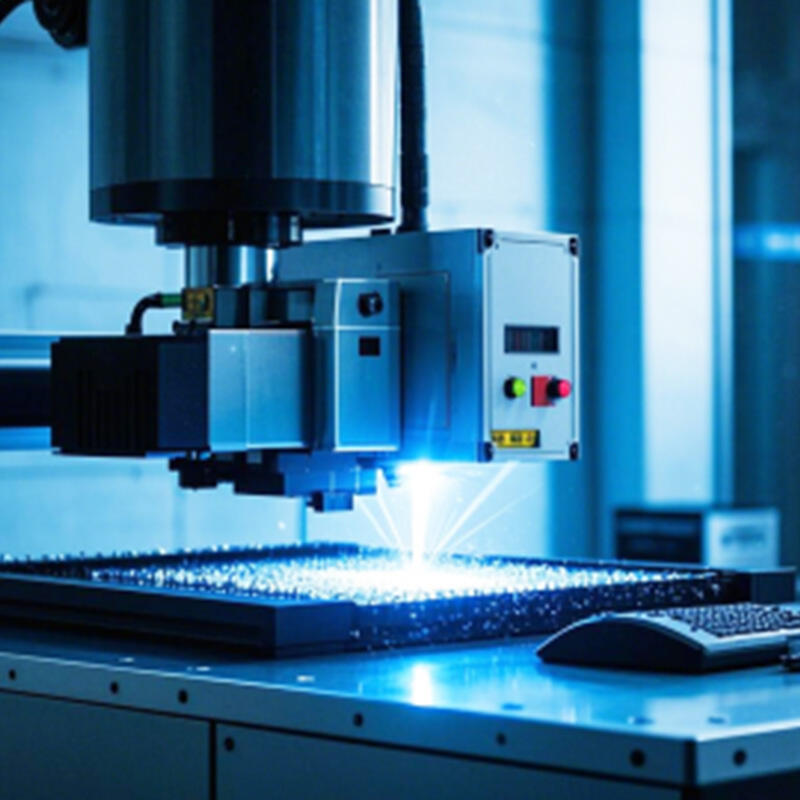
UV laser tech has made big strides lately, boosting both power and speed in today's engraving machines so they run faster and work better overall. Many models now crank out at much higher wattages, which means factories can get through their orders quicker something that matters a lot when dealing with large production runs. Some systems can actually cut through materials at speeds approaching three or four meters every minute flat out! This kind of performance has completely changed how certain manufacturing lines operate, especially in sectors where getting products out fast is critical. Industry data shows these upgrades are cutting down on manufacturing expenses too. Factories report saving hours on jobs that used to take days back when older equipment was still in use.
One real world application of these tech improvements appears in big electronics manufacturing plants, where these machines help etch components quickly and accurately. When factories start using these upgraded laser systems, they tend to see significant savings because their production runs don't drag on as long. Some major manufacturers actually did case studies showing that switching to those powerful UV lasers cuts down processing time while keeping quality consistent. The bottom line? These new machines aren't just making things faster they're changing how entire industries approach manufacturing efficiency and budget management at scale.
Integration of AI and Automation in Laser Engraving Systems
Bringing AI tech into laser engraving systems has changed how precise and flexible this process can be. These smart algorithms let machines adjust on the fly, keeping things spot on while carving details into materials. The automation aspect really cuts down on mistakes people might make manually, plus it speeds things up considerably for manufacturers. Machines running nonstop through shifts, handling several jobs at once, gives companies a serious advantage when it comes to getting products out faster. Many shops report cutting their waste rates in half after switching to these automated setups, which makes all the difference in competitive markets.
The folks who watch what's happening in industry have been pointing out all sorts of good things coming from these tech integrations lately. Looking at what experts say plus actual market numbers, it seems pretty clear that when companies add AI into their systems, they get real boosts in how well things run and way fewer mistakes happening. When automation works hand in hand with artificial intelligence, businesses can really smooth out their day to day work without sacrificing accuracy or consistency across the board. Take one big name in electronics manufacturing for instance they saw their production lines speed up quite a bit after implementing those AI powered engraving techniques. Not only did error rates drop off a cliff, but the overall quality of what came off those assembly lines just got better too.
Enhanced Beam Quality for Micro-Scale Applications
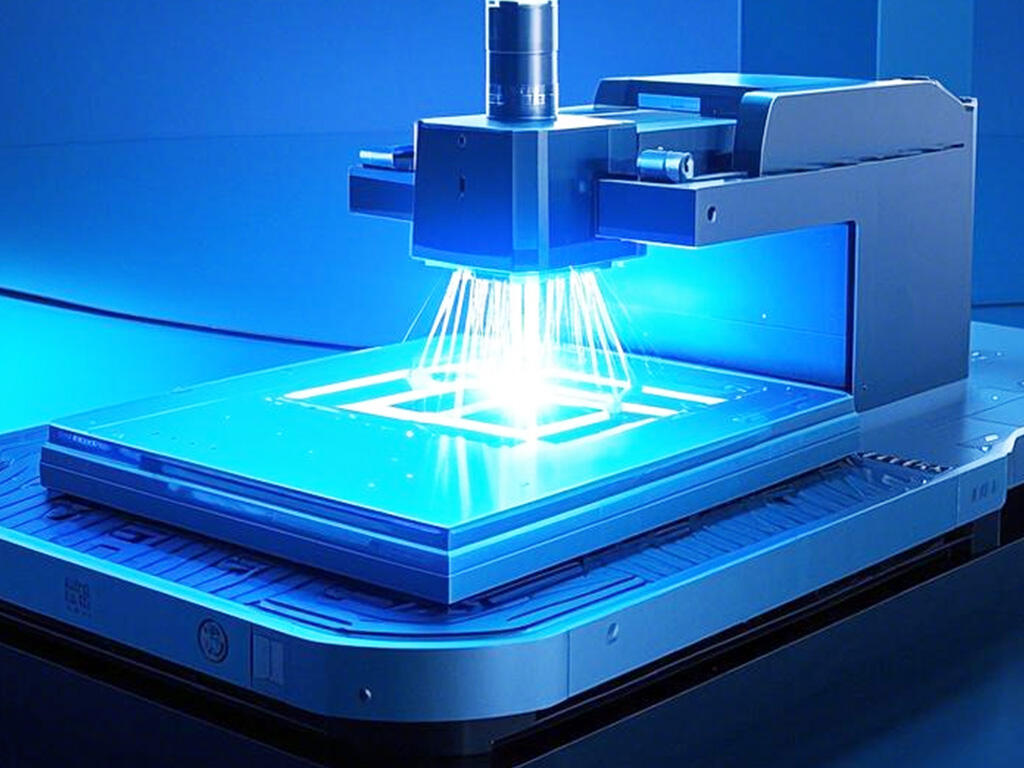
Recent developments in UV laser tech have really boosted beam quality, something that makes all the difference when working on tiny scale stuff like circuit boards or custom jewelry pieces. With better beam coherence and sharper focus, these lasers can now etch those super small components with remarkable precision. The result? Engravings that look much cleaner and professional compared to older methods. Manufacturers keep pushing boundaries with new ways to shape beams and improve optical systems. These upgrades aren't just theoretical either they actually solve real problems across industries where exactness matters most, from medical device manufacturing to aerospace component marking.
The latest advances in laser tech are showing real progress when it comes to beam quality. New methods for improving how focused and coherent these beams are have transformed what lasers can do at tiny scales. Take the electronics sector for example they now rely on laser systems that can make those super small engravings over and over again. This consistency means better quality products and reliable ways to track them through manufacturing processes. Looking across the industry landscape, there's plenty of proof that good beam quality matters a lot right now. Businesses keep chasing after the newest technologies because customers want better performance and manufacturers need to stay competitive in today's markets.
Expanding Applications Across Key Industries
UV Laser Engraving in Electronics and Semiconductor Manufacturing
UV laser engraving has become really important in making electronics and semiconductors because it allows for detailed designs and accurate markings that are crucial for identifying parts and their functions. More companies are turning to UV lasers these days, according to recent market data showing significant growth across various industrial applications. What makes UV laser engraving stand out compared to older techniques? Well, it's much more precise, which means fewer contaminants get introduced during the process while still keeping products up to standard. Manufacturers run regular checks on these systems too, which shows how dependable they actually are when it comes to meeting strict production requirements in cleanroom environments where even small errors can cause big problems down the line.
Medical Device Marking and Surgical Instrument Customization
UV laser engraving has become essential in healthcare for marking medical devices according to strict FDA and ISO standards needed for tracking and identifying equipment. Real world applications show how these laser systems let manufacturers customize surgical tools down to tiny details, which actually makes operations safer and reduces errors during procedures. We're seeing a real surge in demand for customized medical gear these days. Laser tech sits at the heart of this movement because it can mark everything from tiny implants to complex instrument sets with incredible accuracy. Hospitals and clinics want their equipment clearly labeled for each patient, and lasers deliver that precision without compromising sterility or device integrity.
Automotive Part Traceability with Laser Marking Machines
Traceability remains a big deal in the automotive world, and UV laser marking machines help track parts through the manufacturing process, making supply chains clearer and operations run smoother. With recent improvements in laser tech, manufacturers can now mark components that stay readable even when exposed to harsh conditions found in car factories or on vehicles themselves something really important when dealing with product recalls or warranty claims. Beyond just meeting strict industry rules, these laser marks actually support compliance with international standards too. This means better quality control across the board for everyone involved in building cars from factory floor to dealership lot.
Sustainability and Eco-Friendly Manufacturing Trends
Reducing Chemical Waste with Non-Toxic UV Laser Processes
The manufacturing world is getting greener fast, and switching to non-toxic UV lasers marks one of those big turning points we're seeing across many sectors. Old school engraving techniques rely heavily on toxic chemicals that create tons of waste while putting workers at risk from exposure. With UV laser engraving, there's no need for all those dangerous materials anymore, which cuts down on chemical waste dramatically and makes workplaces safer overall. Industry reports show businesses that have made the switch typically cut their chemical waste by around 60% or more, something that really speaks volumes about how green this tech actually is. We're witnessing an industry-wide move toward sustainability right now, pushed forward both by stricter regulations and customers who want products made in an environmentally friendly way. As rules get tougher and being eco-conscious becomes standard practice rather than just a niche concern, manufacturers who stick with outdated, toxic processes might find themselves left behind in the market.
Energy-Efficient Systems for Green Production Lines
Energy efficient laser systems represent a major step forward for greener manufacturing processes, bringing benefits to both the environment and business bottom lines. New advancements in this field aim at cutting down carbon emissions while also slashing running costs thanks to better power usage. Take automotive parts manufacturers as an example many have already adopted these systems and reported up to 30% reductions in their electricity bills. Governments around the world are pushing for cleaner production methods too, with tax incentives and grants available for companies making the switch. What we're seeing now is just the beginning. Manufacturers continue to develop smarter ways to cut energy waste, which helps meet corporate sustainability targets without sacrificing productivity. With pressure mounting from consumers and regulators alike, it seems clear that energy efficient lasers won't just remain an option they'll soon become essential equipment for factories wanting to stay competitive in today's market.
Regional Market Growth and Competitive Landscape
Asia-Pacific Dominance in Laser Engraving Machine Production
The Asia-Pacific region dominates the laser engraving machine market thanks to a mix of factors working together. Technological progress in laser engraving has really taken off here over recent years, particularly in places like China, Japan, and South Korea where companies are constantly pushing boundaries with new developments. Manufacturing costs stay relatively low across much of the region, making it easier to produce these machines efficiently. Take China's Made in China 2025 program as one clear example. This national strategy is speeding up adoption of smart manufacturing techniques that rely heavily on laser technology. Industry reports show Asia-Pacific maintains a commanding position in the market, growing at impressive rates year after year. Companies from the region including Han's Laser Technology Industry Group based in China and Japanese firm Keyence Corporation keep raising the bar with their latest innovations in laser machinery, ensuring fierce competition stays alive in this sector.
North Americaâs Focus on Aerospace and Defense Innovations
Laser engraving tech in North America continues to advance rapidly, especially within aerospace and defense sectors where precision matters most. The region stands out because manufacturers here consistently deliver top notch markings needed for tracking parts through complex supply chains. Market growth numbers tell an interesting story too. More money keeps flowing into research labs across the continent as companies work on next generation laser systems. Both government grants and corporate funding help maintain North America's lead in this specialized field, even though dealing with tough regulations and facing stiff global competition remains challenging. Look no further than firms like Coherent Inc. which develops ultra precise fiber lasers capable of etching tiny details onto aircraft components, or Epilog Laser whose industrial machines handle everything from missile part identification to spacecraft component labeling requirements.
European Regulations Driving Adoption of UV Laser Systems
Environmental rules getting stricter throughout Europe are making businesses adopt UV laser systems faster than ever before. The EU has been cracking down hard on pollution from manufacturing operations, so companies have no choice but to find greener alternatives. That's where UV lasers come in handy because they produce much less waste compared to traditional methods. Many factories in Germany and France specifically are switching over now. Companies need to comply with all these new laws anyway, so they're jumping on board with UV tech since it also happens to be super precise and efficient. Most analysts think we'll see even more UV laser installations in the coming years as governments keep tightening up their green policies. And let's not forget FOBA Laser Marking from Germany which has been at the forefront of this shift, developing some pretty impressive innovations in UV marking technology lately. Their work alone could spark a real revolution in how industries approach sustainability going forward.