EN
EN

The Science Behind COâ Laser Cutting in Wood Processing
How COâ Lasers Generate Cutting Force
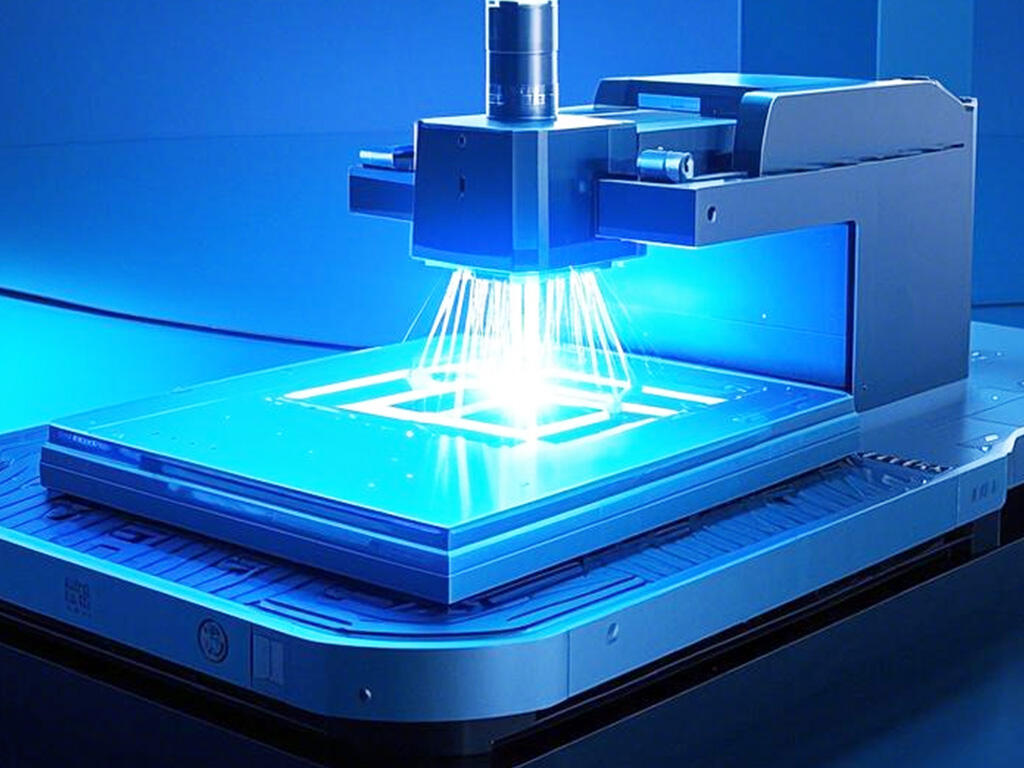
CO2 lasers work by mixing gases to produce a high energy laser beam that gets focused down to create serious heat. When directed at wood, this heat can actually vaporize the material right where it hits, making for very precise cuts. What makes these lasers so good for woodworking is their special wavelength of around 10.6 microns. Wood absorbs this wavelength really well, which means cleaner cuts with less waste from the edges getting burned away. Getting the most out of laser cutting requires knowing some basic physics principles though. Things like how concentrated the energy is when it hits the material (energy density) and the actual size of the laser spot matter a lot. Get these right and the cuts will be consistent across different projects, something every workshop wants to achieve.
Why COâ Technology Excels in Wood Applications
CO2 lasers work really well with wood, giving those intricate cuts needed for complicated designs. These lasers put out less heat than many alternatives, so there's less chance of warping the wood or messing up the structure of whatever gets cut. Woodworkers know this from experience too. When looking at different laser options, tests show CO2 lasers leave behind much smoother surfaces on things like furniture or decorative items compared to fiber lasers which can sometimes leave rougher edges. That's why most serious woodworkers stick with CO2 technology when they need clean lines and fine details in their projects, whether it's making custom cabinets or elaborate wooden art pieces.
Key Components Affecting Cutting Precision
How accurately a CO2 laser cuts depends a lot on certain parts working together properly. The focusing optics matter most here, including those lenses and mirrors we talk about so much. Good quality ones help keep the light from getting lost or distorted, which makes all the difference when trying to get clean cuts. Then there's stuff like where the beam actually points, how the nozzle is shaped, and what kind of gas flows through it during operation. These things aren't just nice to have they're pretty much required if anyone wants decent results from their cutting jobs. Keeping everything calibrated regularly and doing proper maintenance isn't optional either. Machines run better longer when taken care of this way, and naturally produce more consistent work over time. That's why shops serious about precision spend so much time checking these details before starting any major cutting project.
HB-6090RDâs Cutting Force and Technical Specifications
Power Output and Beam Characteristics
With a maximum power output reaching 100 watts, the HB-6090RD delivers serious cutting capability for woods of all thicknesses. Whether working with pine or oak, this machine handles both softwoods and hardwoods with impressive accuracy, which explains why so many workshops rely on it for their daily operations. How well it performs depends heavily on factors like spot size and beam divergence during operation. Smaller spots mean cleaner lines and better details when working on intricate projects. Manufacturers generally agree that higher wattage does speed things up, though getting the right settings for each particular type of wood remains essential for top notch results. For anyone who needs reliable power combined with fine cutting control, the HB-6090RD has proven itself time after time in professional environments.
Material Compatibility and Thickness Capacity
One thing that stands out about the HB-6090RD is how well it works with all sorts of woods. The machine handles both softwoods and hardwoods pretty smoothly, showing good versatility when dealing with different materials. Most of the time, it can cut through wood up to about 20 mm thick, but keep in mind that actual performance might change based on things like how dense the wood is or how much moisture it contains. Woodworkers who have used this tool generally suggest doing some test runs first before jumping into big projects. This gives them a chance to see if the machine matches what they need from their particular wood stock. Because of this flexibility, many craftsmen find the HB-6090RD to be a reliable option when working with multiple wood varieties across different workshop situations.
Speed vs. Precision: Balancing Performance
Getting the hang of balancing speed versus precision matters a lot when working with the HB-6090RD laser cutter. Pushing too fast often means losing those fine details, particularly noticeable in complex patterns or delicate engravings. Most experienced operators tweak their speed settings depending on what they're cutting through - thicker woods need slower passes while thinner materials can handle faster movement without sacrificing quality. Want better results? Take time to look at what the job actually requires before hitting start. Some folks swear by trial runs first just to get a feel for how different woods react under varying speeds. Mastering this give-and-take between quick output and clean edges makes all the difference in producing high quality wooden products that stand out in today's market.
Advantages of COâ Laser Cutters for Woodworking
Superior Edge Quality and Finish
CO2 laser cutters produce really nice edges and finishes that are much smoother than traditional methods. Because of this, there's often no need to do extra work like sanding or polishing after cutting. The quality of these edges makes wooden items look better overall, especially when people can see the cut surfaces up close. Some studies have shown that CO2 lasers create less burning marks and leave behind fewer smoke particles compared to other cutting techniques. This means the wood stays intact and looks cleaner without those unsightly burn marks. Woodworkers who make detailed pieces or decorative items find this特别 useful since it helps preserve the natural grain patterns in the wood that give each piece its unique character.
Versatility Across Wood Types and Designs
CO2 laser cutters stand out because they work well with almost any type of wood available today, whether it's something soft like cedar or fir, or harder materials such as maple or mahogany. Because these machines can tackle so many different woods, they find their way into all sorts of projects across the woodworking world. From building custom cabinets and kitchen furniture to creating detailed ornamental pieces for homes and businesses, the possibilities are pretty endless. What really sets them apart though is how they can carve out complex shapes and detailed artwork that would be tough if not impossible with standard hand tools or even some power equipment. Market trends show people want more personalized wood items than ever before, which means having this kind of flexibility isn't just nice to have anymore it's becoming essential for anyone wanting to stay competitive in today's market where customers expect unique solutions tailored specifically to what they need.
Energy Efficiency in Prolonged Operations
CO2 laser cutters stand out when it comes to saving power, particularly over long periods of operation where they consume significantly less energy than older cutting techniques. The money saved on electricity bills makes these machines a smart investment for any business trying to keep costs down without sacrificing product quality. What's more, their ability to cut down on energy consumption fits right into the growing trend toward green manufacturing practices that many industries are now embracing. Research indicates that switching to CO2 laser tech can result in real energy reductions across big manufacturing facilities. For companies looking to shrink their carbon impact without hurting bottom line profits or production rates, this kind of equipment offers some serious advantages.
Operational Considerations and Machine Limitations
Maximum Material Thickness Constraints
Knowing what thickness limits a laser cutter can manage makes all the difference when operating these machines properly. Most models come with a stated max thickness they can cut through without issues. Go beyond that limit and expect worse cuts plus faster wear on the equipment itself. Woodworkers need to tweak their machine settings based on the specific wood being used since different types have varying densities and hardness levels. Pine will behave differently from oak after all. Ignoring what the specs say often leads to bad results and sometimes actual damage to the machine. Always check the manual or tech docs before starting any job just to be safe. A quick glance at those guidelines saves headaches later on.
Maintenance Requirements for Optimal Performance
Regular maintenance really matters if we want our laser cutters to last longer and work at their best. Cleaning those lenses and making sure everything stays aligned shouldn't just happen when there's time left in the day. Most shops find it makes sense to set aside time every week or so for these checks. When we take care of our machines properly, they don't break down as often, which means fewer surprises during production runs. And let's face it, nobody wants to spend extra money replacing parts that could have been maintained instead. Stick to what the pros recommend about maintenance schedules and most businesses notice fewer problems popping up unexpectedly. This translates into better productivity across the board without all those frustrating stoppages that waste both time and materials.
Safety Protocols for Wood Laser Cutting
Safety measures during laser cutting can't be ignored if we want to keep operators safe on the job. When working with wood materials, the cutting process gives off harmful fumes and creates serious fire hazards that need proper handling. Good airflow through proper exhaust systems combined with the right PPE like respirators and eye protection makes all the difference in creating a safer workspace. Training programs should cover everything from emergency shutdown procedures to recognizing early signs of equipment malfunction. Most shops find that when staff really understand these safety protocols, they tend to follow them consistently rather than just going through the motions for inspections. Beyond protecting people, proper safety practices actually improve workflow since fewer accidents mean less downtime and better quality output across the board.