EN
EN


The Role of Acrylic Laser Cutters in Modern Packaging
Enabling Precision for Custom Shapes
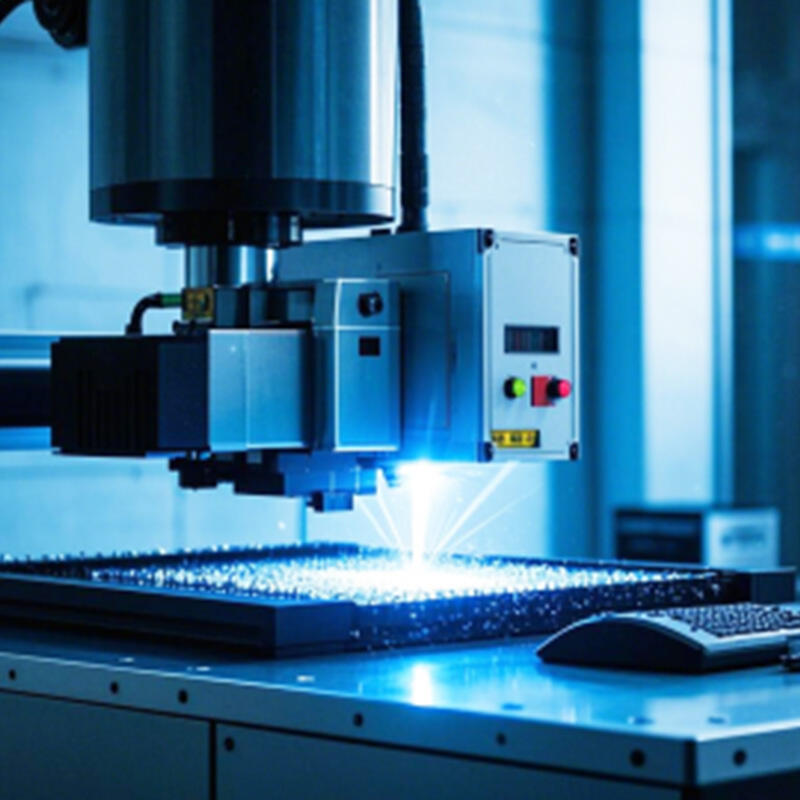
Acrylic laser cutters offer unmatched precision, allowing for the creation of intricate designs that are often unachievable with traditional cutting methods. This precision is paramount for businesses focused on unique and creative packaging solutions. The uniformity provided by these machines ensures consistent quality across all packaging units, which is vital for maintaining brand standards. For instance, studies have shown that precision cutting significantly reduces production time, enabling brands to expedite their time-to-market and stay ahead in the competitive landscape.
Streamlining Prototyping & Mass Production
Acrylic laser cutters greatly enhance both prototyping and mass production processes. These machines allow for rapid design adjustments, which is essential for businesses looking to iterate quickly during the prototyping phase. In mass production, laser cutting technology automates procedures, cutting down on manual labor and associated costs. Research indicates that companies adopting laser cutting technologies often witness a boost in production output without compromising on quality. This efficiency in production helps brands meet demand swiftly and economically.
Integrating with CAD/CAM Workflows
Integrating acrylic laser cutters with CAD/CAM software provides a seamless transition from digital designs to tangible products, fostering better team alignment. This integration facilitates the creation of complex geometries, enhancing the functionality and aesthetic appeal of packaging. Industry reports suggest that businesses using CAD/CAM technologies with laser cutting can reduce their time-to-market by approximately 30%, demonstrating the efficiency and competitive advantage this integration offers. By leveraging these tools, companies can streamline their operations and deliver cutting-edge packaging solutions.
Advantages of Laser-Cut Acrylic Packaging
Superior Edge Quality for Premium Finishes
The use of laser cutting in acrylic packaging ensures superior edge quality, resulting in smooth and clean finishes. This precision is crucial for creating visually appealing packaging that stands out in the market, enhancing differentiation. Further, the high-quality edges reduce the need for post-processing, which saves businesses time and resources. By offering aesthetically pleasing packaging, brands can significantly enhance their customer experience, leading to positive reviews and repeat purchases.
Compatibility with Branding via Laser Engraving
Laser engraving offers a remarkable opportunity for intricate branding directly onto acrylic packaging without compromising material integrity. This technology enables detailed incorporation of logos, taglines, and other branding strategies across product lines, ensuring consistent branding. Case studies have shown that brands that leverage laser engraving experience a notable increase in brand recall and customer engagement, positioning themselves more effectively in competitive markets.
Reduced Material Waste Through Optimized Cutting
Laser cutting technology is adept at optimizing layouts to maximize yield from raw material, thus reducing costs associated with acrylic waste. This process not only aligns with sustainable practices highly favored by today's consumers but also reduces material waste by up to 15%, as noted in a recent survey. Such efficiency not only supports sustainability efforts but also aligns businesses with consumer preferences for environmentally responsible practices, further enhancing brand reputation.
Selecting Acrylic Types for Packaging Applications
Cast vs. Extruded Acrylic: Key Differences
Selecting the right type of acrylic for packaging is crucial for achieving both aesthetic appeal and functionality. Cast acrylic is renowned for its superior optical clarity and surface quality, making it an excellent choice for high-end packaging solutions. Its pristine appearance enhances the visual allure of luxury products. On the other hand, extruded acrylic is often more cost-effective, making it suitable for budget-conscious applications without sacrificing too much quality. Understanding these distinctions allows businesses to align product requirements with appropriate material choices, impacting both packaging durability and appearance positively. Statistics show that companies opting for cast acrylic for premium products tend to experience fewer customer complaints related to packaging damage, illustrating the importance of material selection.
Impact-Modified Grades for Durability
Choosing impact-modified acrylic can significantly enhance the durability of packaging, making it ideal for applications demanding resilience against physical stress. These materials are engineered to withstand colder temperatures and are less prone to cracking, ensuring that the contents remain protected during transit. This property is particularly valuable for products that might be subjected to rough handling or varying environmental conditions, such as outdoor displays or high-impact environments. Industry experts frequently recommend impact-modified grades due to their longevity, ensuring that packaging maintains its structural integrity and aesthetics over time.
UV-Resistant Options for Longevity
Investing in UV-resistant acrylic is a strategic choice for packaging solutions exposed to sunlight, as it effectively extends the lifespan of the materials by preventing degradation and maintaining clarity. This feature is particularly beneficial for outdoor or display packaging that requires long-term exposure. By reducing the frequency of replacements and reprints, brands can achieve cost savings while maintaining the aesthetic quality and performance of their packaging. According to various product tests, UV-resistant acrylic can endure up to five times longer than standard acrylic in outdoor conditions, offering a reliable option for longevity and sustained visual appeal.
Best Practices for Packaging-Specific Laser Cutting
CO2 Laser Settings for Clean Cuts
Adjusting CO2 laser settings plays a crucial role in achieving clean and precise cuts in acrylic packaging applications. By meticulously tailoring speed, power, and frequency to match the thickness of the material, businesses can ensure that the final product is devoid of burn marks and deformation. A study reveals that optimal settings can improve cut quality by up to 20%, resulting in superior output that meets industry standards. Proper understanding of these settings not only enhances product quality but also ensures efficiency in production. Thus, refining these parameters is essential for maintaining cutting accuracy in packaging.
Managing Fumes with Ventilation Systems
Implementing effective ventilation systems during laser cutting is vital to maintaining air quality and reducing health risks associated with fume emissions. Proper management of these fumes aligns with workplace safety standards and complies with regulations, fostering a safer work environment. Research indicates that businesses investing in advances in ventilation systems experience lower rates of worker illnesses and increased productivity. Aligning fume management with industry standards ensures that workers remain healthy, productive, and safe, ultimately boosting overall operations. Therefore, prioritizing ventilation system installation is crucial for maintaining air quality.
Preventing Thermal Stress in Thin Sheets
Managing heat generation when cutting thin acrylic sheets is crucial to prevent warping and ensure design integrity. Techniques like adjusting cutting speeds and applying air assist technology can significantly reduce thermal stress, preserving the quality of the final product. Experts suggest that these preventive measures can enhance product quality and minimize operational waste, making them indispensable for thin sheet applications. By incorporating these strategies, manufacturers can maintain the acrylic sheets' integrity, reduce material wastage, and deliver high-quality results. This proactive approach is vital for effective sheet cutting.
Innovative Packaging Designs Enabled by Laser Tech
Interactive Window Displays with Etched Patterns
Etched patterns in packaging design offer an exciting opportunity to create interactive window displays that captivate and engage consumers. These innovative designs attract greater foot traffic by providing a visually appealing experience that stands out from standard packaging. In fact, consumer surveys suggest that 70% of shoppers are drawn to unique, etched display designs, indicating their strong impact on consumer engagement. By incorporating etched patterns, businesses not only enhance their retail aesthetics but actively stimulate customer interest.
Multi-Layered Luxury Packaging Structures
The use of multi-layered packaging structures significantly enhances the perception of luxury and sophistication in high-end products. Laser cutting technology allows for the creation of intricate and layered designs, enabling brands to experiment with light and shadow effects to capture attention. Industry trends reveal that luxury brands utilizing multi-layered packaging designs report increased customer satisfaction, as these designs convey quality and exclusivity. This approach not only boosts product appeal but also reinforces the brand's market position by delivering a premium unboxing experience.
Recyclable Acrylic-Clasp Systems
Recyclable acrylic-clasp systems align with sustainability goals, making them an attractive option for eco-conscious consumers. These systems provide practical utility while maintaining a high-end appearance, merging functionality with aesthetic appeal. Reports indicate that brands adopting recyclable packaging solutions have seen increased loyalty from environmentally aware customers. These systems not only reinforce brand values but also contribute to long-term sustainability objectives, enhancing the brand's reputation and customer base in a competitive market.