EN
EN


Core Principles of Wood Laser Engraving Technology
How Laser Engraving Machines Transform Wood
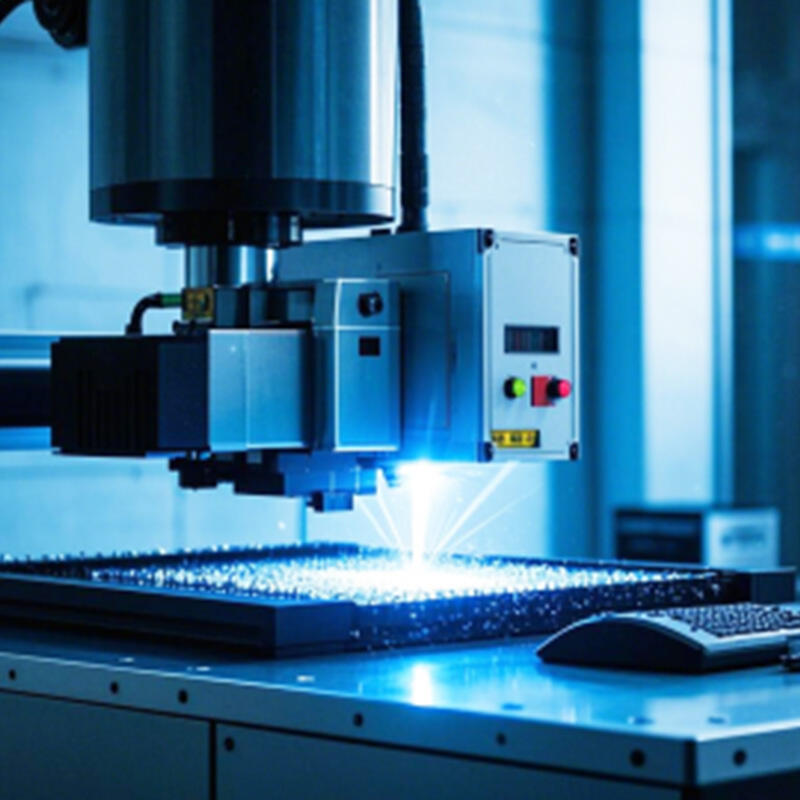
Laser engraving technology has revolutionized the wood industry by enhancing precision and efficiency in processing. Traditional woodworking methods often involve manual labor and limited customization, but laser engraving brings speed and exactness with its non-contact processing, making it ideal for intricate designs and complex patterns. Successful projects, such as custom wooden signs and detailed art pieces, exemplify how laser engraving machines, particularly laser engraving machines designed for wood, can transform raw materials into works of art.
Key Components: Laser Source, Software, and Material Interaction
The transformation of wood through laser engraving technology relies heavily on core components such as the laser source, software, and material interaction. CO2 lasers are the most common type used in wood engraving due to their efficiency and ability to adjust depth with precision. Software plays a pivotal role in design creation and setup, with industry favorites like CorelDRAW and Adobe Illustrator providing robust tools for pattern configuration. The interaction between laser and material, especially various wood types, determines the quality and durability of the engraving, making it crucial to understand how certain woods respond to different laser settings.
Benefits Over Traditional Woodworking Methods
Laser engraving offers numerous advantages over traditional woodworking methods. First, it significantly boosts efficiency by streamlining the engraving process, enabling rapid completion of detailed projects without the need for complex preparations. This technology offers unparalleled customization possibilities, allowing artisans to design intricate patterns with ease. Such efficiency translates into time savings and cost-effectiveness, making laser engraving a preferred choice in manufacturing settings. Additionally, laser technology fosters sustainable woodworking practices, reducing material waste through precise cuts and minimizing environmental impact compared to conventional methods that often produce excess lumber waste.
Advancements in Precision and Speed for Market Competitiveness
High-Power Lasers and Reduced Processing Times
Recent advancements in high-power laser technology have significantly boosted the efficiency of wood laser engraving machines and laser cutting machines. These innovations enable faster processing times without compromising precision, thus enhancing productivity and cost-effectiveness for businesses. By minimizing processing durations, companies can handle larger volumes in shorter periods, directly impacting their bottom line. For instance, several companies have transitioned to high-power laser systems, unlocking new levels of operational efficiency and remaining competitive in the fast-paced market.
AI-Driven Optimization for Complex Designs
The integration of AI technologies into laser engraving machines has revolutionized the creation of intricate and complex designs. AI-driven optimization allows for precise and dynamic adjustments during the engraving process, facilitating extraordinary design possibilities previously unattainable. For example, businesses utilizing AI-enhanced wood laser engraving machines can produce detailed custom designs with remarkable speed and accuracy. Looking to the future, the continued evolution of AI in this field will enhance competitiveness by offering unparalleled quality and innovation in design.
Balancing Speed with Engraving Depth
Achieving the ideal balance between speed and engraving depth presents a challenge in the laser engraving industry. While striving for efficiency, it's essential to maintain the quality and integrity of the engraving. Techniques such as adjusting laser power settings and utilizing advanced motion control technology help maintain precision while optimizing speed. Industry experts recommend that businesses consistently test their processes and equipment to identify the best practices for striking this balance, ensuring high-quality results and efficient production cycles.
Expanding Material Compatibility and Techniques
Best Woods for Laser Engraving: From Birch to Walnut
Choosing the right type of wood for laser engraving requires understanding each wood's characteristics and suitability for the task. Some of the best options include Birch, Maple, Cherry, and Walnut. Birch is known for its flexibility and affordability, whereas Maple has high density for more detailed engravings. Cherry offers a rich color and smooth texture that lends itself well to aesthetic projects, and Walnut is prized for its dark grain and durability. Each wood type presents unique advantages and challenges, such as the impact of moisture content or grain patterns on engraving results. According to experts, selecting the ideal wood for your project involves considering the visual appeal and ensuring compatibility with a wood laser engraving machine.
Sealing and Coloring Techniques for Enhanced Durability
To ensure the longevity of engraved wood products, employing effective sealing and coloring techniques is crucial. These methods enhance durability by protecting wood surfaces from moisture, UV rays, and physical damage. Popular products like sealing oils, lacquers, and dyes are frequently used for this purpose, each offering varied effectiveness for different wood types. Expert testimonials often highlight the benefits of applying these techniques post-engraving; they contribute significantly to maintaining the aesthetic quality and structural integrity of wooden items over time. Integrating these methods into your workflow demonstrates a commitment to producing high-quality, enduring wood laser engraving results.
Achieving Darker Engravings Without Compromising Quality
Adjusting laser settings is key to creating darker engravings while upholding the wood's integrity. This process might involve increasing laser power or slowing down the speed to intensify the engraving without damaging the wood. Feedback from users reveals that these adjustments can yield optimal results without compromising quality. Moreover, advancements in laser technology allow these settings to be fine-tuned effectively, facilitating this process and ensuring that engravings retain their intended aesthetic and structural properties. Analyzing these advancements offers insights into achieving high-quality dark engravings and is a vital discussion point for anyone utilizing a wood laser engraving machine.
Integration with Emerging Technologies
3D Laser Engraving for Multi-Layered Designs
3D laser engraving introduces a dynamic dimension to traditional laser techniques, enhancing the versatility and appeal of engraved products. This technique allows for the creation of multi-layered designs with depth and intricate detailing that traditional methods can't achieve. For instance, advanced laser engraving machines can craft detailed topographical maps or layered artistic pieces, showcasing the unique capabilities of 3D structuring. As the technology evolves, future applications, particularly within industries like furniture and art, are poised to revolutionize design possibilities. Imagine the furniture sector where tables or chair backs can have complex, layered engravings that not only serve as functional pieces but as works of art.
IoT-Enabled Machines for Real-Time Production Monitoring
IoT technologies have profoundly optimized laser engraving production processes by enabling real-time monitoring and data analytics. These advancements allow manufacturers to track production efficiency and ensure high-quality outputs by detecting anomalies instantly. The benefits of real-time monitoring extend to improved quality assurance, reduced downtime, and enhanced operational efficiency, positioning businesses to remain competitive in fast-paced markets. Looking ahead, IoT-enabled wood laser engraving machines are set to further embrace smart factory principles, offering broader integration into automated production lines and inventory management systems.
Green Laser Innovations for Eco-Conscious Markets
Green laser technologies offer a sustainable and efficient solution to meet the growing demand for eco-friendly practices. These innovations focus on reducing energy consumption and minimizing waste through advanced beam control and precision. By aligning with current market trends towards sustainability, green laser technologies provide businesses with a competitive edge and cater to environmentally conscious consumers. Successful examples include companies adopting green lasers for wood engraving, reducing their carbon footprint while maintaining high-quality output. As eco-conscious markets expand, businesses incorporating green laser innovations can lead the way in sustainable production practices.
Sustainable Practices in Modern Laser Engraving
Reducing Waste Through AI Material Optimization
Sustainable practices in modern laser engraving are pivotal for reducing waste, and AI plays a crucial role in this endeavor. By optimizing the engraving process with intelligent algorithms, AI minimizes material waste effectively. Companies implementing AI material optimization have reported significant waste reductions, evidenced by statistical data averaging 30% less material waste in comparison to traditional methods. Leading businesses such as Kern Laser Systems exemplify best practices by adopting AI technologies to enhance operational efficiency, thereby reducing waste and fostering sustainability in the production process of laser engraving machines and wood laser engraving machines.
Energy-Efficient Laser Systems
Energy-efficient laser systems have revolutionized the laser engraving industry by reducing energy consumption significantly. These systems offer substantial benefits, such as cost savings and lowered environmental impact, making them an essential component of sustainable business practices. Utilizing energy-efficient laser engraving machines, businesses can achieve up to a 20% reduction in energy costs while contributing to environmental conservation. This approach is exemplified by companies such as Kern Laser Systems, who have integrated these technologies into their processes, demonstrating real-world efficacy and commitment to sustainability.
Recyclable and Bio-Based Wood Options
The availability of recyclable and bio-based wood materials for engraving presents an opportunity to push sustainability further in the woodworking sector. Using such materials benefits businesses by aligning with eco-friendly practices and reducing the environmental footprint of wood laser engraving. Experts recommend sourcing from certified suppliers specializing in sustainable wood products to ensure high quality and minimal impact on natural resources. This shift not only supports the environment but also enhances brand reputation among eco-conscious consumers seeking responsible production options.