EN
EN

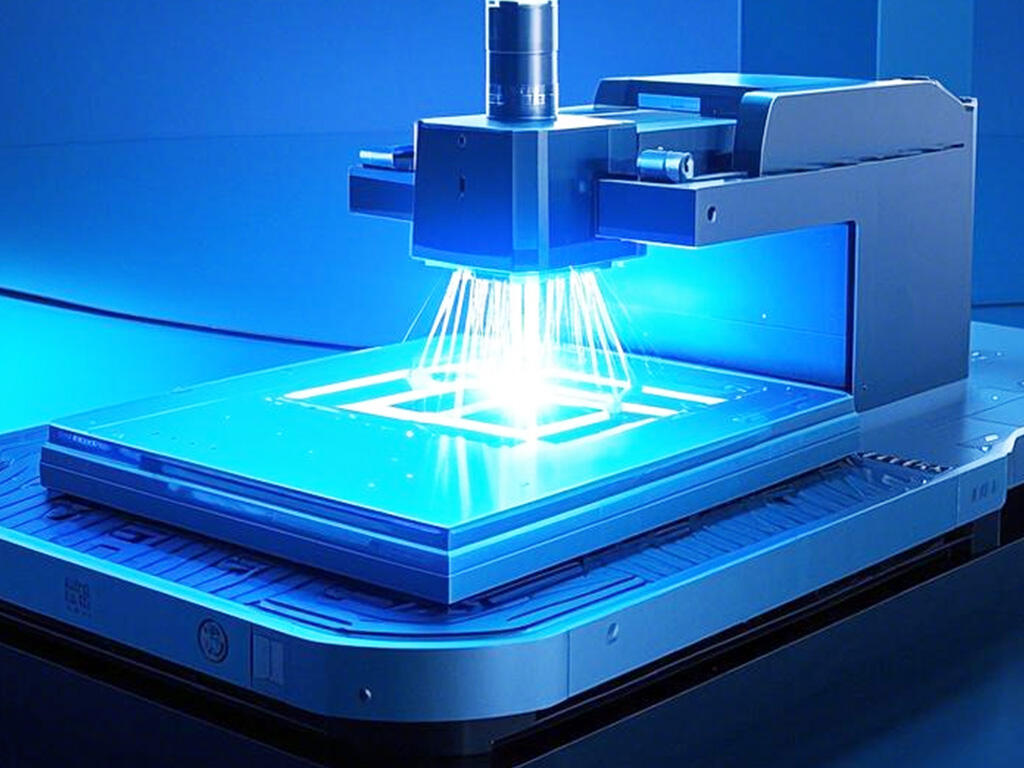
Understanding Low-Noise Heat Dissipation in Laser Welding Systems
Why Noise Reduction Matters in Industrial Equipment
Reducing noise from industrial equipment makes all the difference in creating a safe and productive work environment. Excessive noise in factories isn't just annoying it actually harms workers health over time, leading to stress issues and making everyone less efficient. When companies tackle noise problems head on, they're doing more than just following rules they're building workplaces where people can hear each other clearly and avoid dangerous mistakes. Machines that run quieter automatically meet most OSHA standards for sound exposure limits, which saves headaches during inspections. Factories with loud equipment often face fines or shutdowns when noise levels exceed what's allowed. For shops using metal laser cutters and markers regularly, keeping noise under control isn't optional it's part of everyday safety protocols that protect both employees and business operations alike.
Impact of Thermal Management on Machine Longevity
Good thermal management makes a big difference in how long industrial machines last, cutting down on wear and tear significantly. When companies install quiet heat dissipation methods, they solve noise problems while keeping things from getting too hot, which often causes components to fail. Maintenance crews need to check these thermal systems regularly if they want to save money in the long run. Less downtime means production stays on schedule, and fewer repairs translate to real savings. For shops running high tech gear like infrared engravers or CO2 lasers meant for smaller operations, this kind of attention to temperature control matters a lot. Keeping temperatures under control helps machines work better day after day, protecting what businesses have invested in their equipment and ultimately boosting overall productivity across manufacturing floors everywhere.
Mechanics of Heat Dissipation in Handheld Laser Welders
Air-Cooled vs. Water-Cooled Systems Compared
When deciding between air cooled versus water cooled systems for handheld laser welders, the answer really comes down to what kind of work needs doing and where it's happening. Air cooled models tend to be lighter weight and easier to maintain, so they work pretty well for basic welding jobs around workshops or smaller fabrication shops. But when things get serious with longer hours of continuous operation, air cooling just can't keep up with the heat buildup. Water cooled systems handle this much better though, dissipating heat at a much faster rate. That makes all the difference for manufacturers running production lines or handling heavy duty welding tasks day after day. Companies switching to water cooled equipment report far fewer problems with machines shutting down from getting too hot. Some factory floor managers have shared stories about how their downtime dropped by almost half once they made the switch, which obviously translates to better output numbers across the board.
Advanced Cooling Technologies for Laser Components
Cooling tech breakthroughs are changing the game when it comes to managing heat in laser parts. One promising approach involves phase change materials that boost thermal performance while regulating temperature better than traditional methods. When these special materials absorb extra heat through phase changes, they help keep lasers running at optimal efficiency without overheating. For places where quiet operation matters, active cooling options like thermoelectric modules offer real advantages since they run much quieter than standard fans or pumps. Looking ahead, recent work in material sciences suggests nanotechnology could shake up thermal management in laser systems entirely. We're already seeing prototypes of laser welders that combine these innovations, resulting in machines that work harder but make less noise, all while lasting longer between maintenance cycles. These improvements will likely find their way into manufacturing plants across multiple sectors in the coming years.
Noise Reduction Strategies for Modern Workspaces
Vibration Dampening in Laser Welding Guns
Putting vibration dampeners into laser welding guns works really well at cutting down noise and making workspaces more comfortable overall. The industry commonly uses things like rubber mounts and those special viscoelastic materials which soak up vibrations pretty effectively. These stop the annoying shaking from traveling through the tool itself and causing all that extra noise we hate so much. Some actual tests show that when these dampening systems are installed, operational noise drops around 15 decibels. That might not sound like much on paper, but in real terms it makes a huge difference. Workers find they can concentrate better without constant background noise pounding their ears, plus everyone enjoys being in a quieter, calmer working environment that just feels more productive day to day.
Optimized Fan Design for Quiet Operation
Getting fan design right makes all the difference when it comes to controlling noise levels in today's office environments. Variable speed motors have become game changers here because they let fans run quieter since they only spin as fast as needed based on actual cooling requirements rather than constantly humming at full blast. Another big deal is how blades are shaped. When manufacturers focus on creating smoother airflow paths across those blades, they cut down on turbulence that otherwise creates annoying background noise. Studies show these improvements can bring noise levels down around 20 percent while still keeping equipment cool enough. With smart engineering choices like this, companies manage to keep their spaces peaceful without compromising on effective temperature control for workers and machinery alike.
Performance Benefits of Low-Noise Welding Systems
Enhanced Operator Focus and Productivity
Welding systems that produce less noise offer real advantages for shop floor operations, primarily because they help workers stay focused and get more done throughout their shifts. The drop in ambient noise means welders aren't constantly battling distractions from loud machinery, and studies show this can actually boost production rates by around 25%. Quieter workspaces just feel better mentally, making it easier for people to maintain concentration over long hours. Shops that implement these systems tend to see happier staff members who stick around longer since everyone appreciates working somewhere that isn't constantly ringing in their ears. Factory managers report similar findings across different manufacturing sectors where noise reduction has correlated with better quality control and fewer mistakes. So while the initial investment might seem high, companies that switch to low-noise equipment often find themselves with both more productive workers and a team that's generally satisfied with their working conditions.
Compliance with Workplace Safety Regulations
Another important advantage of low noise welding systems comes from staying compliant with workplace safety rules. When noise stays below those OSHA and ISO thresholds, companies not only dodge potential fines but also create safer conditions where workers don't have to wear ear protection all day long. Monitoring sound levels regularly matters a lot because prolonged exposure to loud noises really does damage hearing over time, something that costs employers money when employees need compensation claims later on. Many forward thinking manufacturers actually implement quiet welding tech as part of their broader CSR efforts. This helps build better relationships with local communities who appreciate companies looking out for worker well being. Plus, quieter operations tend to run smoother since there's less disruption between different areas of production.
Industry Applications of Quiet Laser Welding Technology
Precision Metal Fabrication for Aerospace Components
When it comes to aerospace manufacturing, there's no room for compromise when it matters most: precision and safety take top priority, which explains why low noise welding systems are becoming must-have equipment these days. Manufacturers need these systems badly to maintain accuracy while keeping workers safe in environments where mistakes simply cannot happen. Quieter welding operations create a much better workplace environment, allowing team members to communicate clearly without shouting over loud machinery sounds. This clear communication becomes absolutely vital when handling complicated assembly processes that require multiple people working together simultaneously. Real world testing across several major aerospace facilities shows that switching to quieter welding tech actually reduces quality problems during production runs, ultimately leading to aircraft components that perform more reliably under extreme conditions.
Small Business Solutions: From Engraving to Assembly
Small craft shops and manufacturing startups can benefit greatly from quiet laser welders since they offer better performance without all the annoying noise problems associated with traditional models. The machines handle a wide range of tasks pretty well, everything from simple engraving jobs to complicated assembly work on tiny components. What makes them so useful is how they expand what kind of projects a business can take on while still keeping things precise. Many shop owners report that customers notice the difference when working environments stay calm instead of being filled with constant machinery noise. This leads to more repeat business because clients appreciate the cleaner results achieved in peaceful settings. For anyone running a small operation where space matters and distractions need minimizing, investing in one of these silent welding systems often pays off both in terms of productivity and customer satisfaction over time.
Future Trends in Laser Welding Thermal Management
Smart Cooling Systems with IoT Integration
Bringing IoT into laser welding cooling systems offers something really forward thinking when it comes to managing heat. With these systems, companies get real time data on how hot things are getting, which lets them tweak their cooling processes whenever needed. The best part? These smart setups actually warn operators about possible overheating problems long before anything goes wrong. This early warning system helps avoid expensive equipment failures and keeps operations running smoothly. Looking at where manufacturing is heading, incorporating cooling tech with IoT capabilities isn't just nice to have anymore it's becoming essential for staying ahead of competitors. Companies that install these intelligent systems see better efficiency across the board while also making their facilities safer overall and extending equipment life spans significantly.
Material Science Advancements for Heat Resistance
Material scientists have been working on some pretty interesting stuff lately when it comes to creating new alloys that stand up to intense heat without expanding much. This kind of breakthrough could change how we handle thermal issues in laser welding applications. Welding gear manufacturers might actually be able to make their equipment lighter without sacrificing strength when exposed to those extreme temperatures. Looking at recent developments, thermal management systems seem set to become more efficient over time. We're talking about less noise during operation and equipment that lasts longer between replacements. The real impact becomes clear as these materials mature in the marketplace. For anyone involved in heavy industrial welding where reliability matters most, these advances represent something genuinely valuable rather than just another marketing claim.
Table of Contents
- Understanding Low-Noise Heat Dissipation in Laser Welding Systems
- Mechanics of Heat Dissipation in Handheld Laser Welders
- Noise Reduction Strategies for Modern Workspaces
- Performance Benefits of Low-Noise Welding Systems
- Industry Applications of Quiet Laser Welding Technology
- Future Trends in Laser Welding Thermal Management