EN
EN

The Growing Demand for Customizable Solutions
Why One-Size-Fits-All Approaches Fall Short
In the current and ever-changing market, consumer buying habits have become more diversified and complicated, making it difficult to cater to all needs with an universal solution. Today customers are asking for products and services designed specifically for their own unique preferences and needs, yet standardized models of mass customization commonly fall short of these requirements. For example, in both the retail and technology sectors, maintaining a generic offering has led to huge missed opportunities to win more market share and establish a place in the hearts and minds of consumers.
Think about the consequences of hanging onto rigid answers. In fact, a University of Cambridge report, points out, that corporations sticking to a one-size-fits-all approach may find themselves losing relevance in the marketplace, as 65% of consumers are unhappy with the generic offerings. That may have been good enough at one time, but nowâaâdays consumers have a yen for personalization. They value a brand that mirrors who they are; they end up liking a brand more/being more loyal. To ignore that trend could put a company behind competitors who adopt customisation. By recognizing the value of tailored and brandable results, companies have the ability to gain an increasingly cost-effective, interactive client relationship.
Key Drivers Behind User-Centric Flexibility
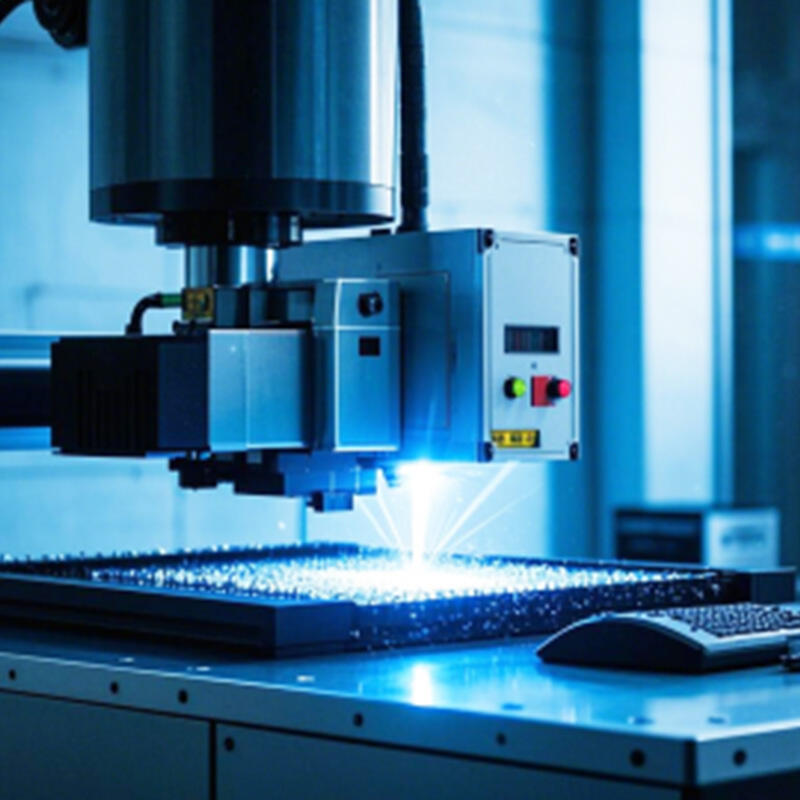
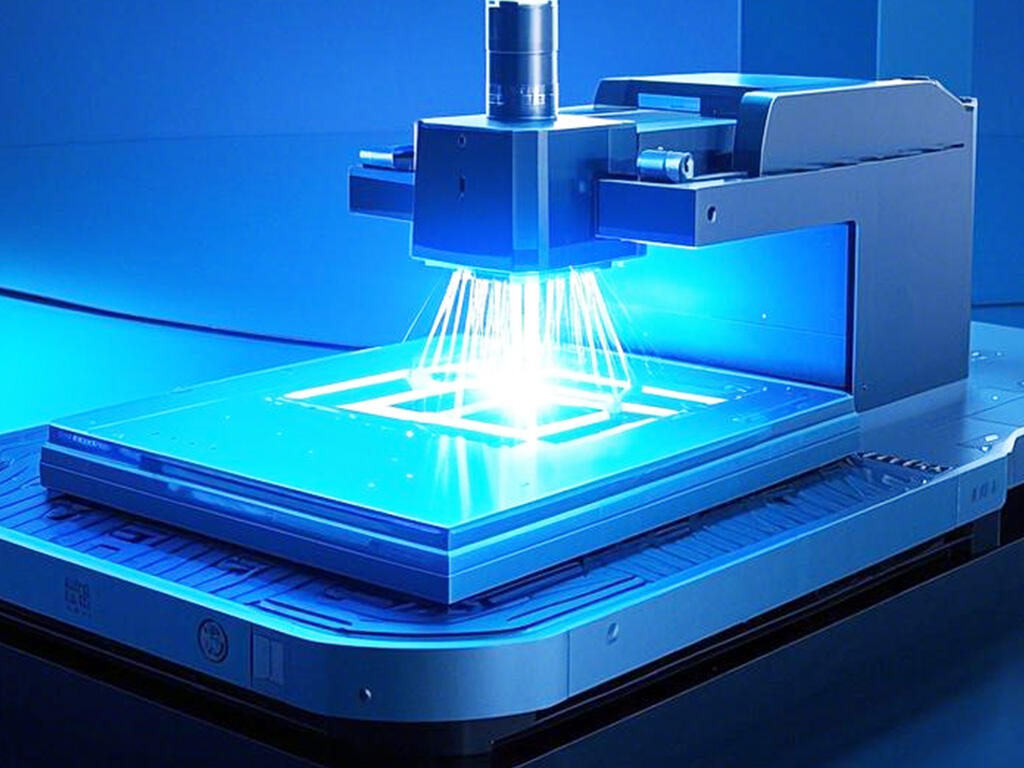
The market trend is to focus on user engagement and product development with user feedback, which highly influences customers' satisfaction and loyalty. As technology advances, it gives us the tools we need to operationalize these bespoke solutions. Laser engraving machines have changed manufacturing methods by providing complex designs custom-fitted to customer requirements.
Digging deeper into technology's effects, McKinsey research shows that companies that implement customization enjoy stronger consumer loyalty, impacting positively on 80% of brand preference cases where feedback from users drives product development. As experts, including Clayton Christensen, suggest, âCompanies that target to create innovations in response to direct feedback from users are more likely to survive in the marketplace. âIt is this move towards personalisation that signals a significant departure, allowing companies to not just satisfy, but anticipate customer demand, and in turn, create long-lasting brand relationships.
Industries Revolutionized by Customizable Technology
Manufacturing: Laser Engraving and Cutting Innovations
Laser engraving and cutting technology have led to an unprecedented change in the manufacturing industry. Advances like this have made personal manufacturing a reality, making it possible to generate custom design and precision that was impossible before. Enterprises have become successful in applying these solutions, being able to address the specific needs of each customer instead of dealing with mass-produced products. For instance, one case illustration illustrated a supplier who implemented laser engraving machines for the personalization of promotional items and reported an improvement in customer satisfaction and a higher rate of repeat business. Custom manufacturing solutions have increased efficiency by 15% and reduced waste by 10%, according to a PwC report, highlighting the advantages of adding customizable solutions to manufacturing.
Healthcare: Adaptive Medical Equipment
Healthcare is an industry where personalization is especially important, something that is reflected on the adaptive health devices and technology market. Devices such as metal marking machines and cutting machines make it possible to customize prosthetics and other medical devices according to a patient's exact needs. With personalized medicine growing more important, specific treatments have been proven to lead to better patient outcomes. For instance, adaptive prosthetics tailored to the size of a patient's limb are known to improve mobility and comfort. Statistics show a 30% increase in recovery times when equipment is custom, emphasising the importance of personalisation when it comes to medical technologies and patient care.
Balancing Customization with Scalability
Modular Design Principles
Nonetheless, a modular design is an essential method to maintain the balance between customization and scalability. Adopting the modular design enables businesses to build products or systems using materials or parts that can be readily assembled, dis-assembled, and modified. Such flexibility is essential for customized design without redesigns as well as growth and adaptability. A case in point is modern smartphone design with its modular aspects such as easily replaceable batteries and upgradable storage. Contrarily, the trade-off between customizability and scalability also introduces several overheads, for instance, that of disguising quality among modules and managing complicated configurations. These issues can be partly addressed by adopting best practize as standardization of interfaces and module compatibility.
Data-Driven Personalization Strategies
Customised user experiences: The ultimate goal The heart of building customised user experiences: Data-driven customisation. Data analysis can help organizations better customize their products and services which leads to more satisfied and loyal customers.§ For example, video services, such as Netflix, provide algorithms to recommend content based on users’ tastes and viewing history. Customer relationship management (CRM) software and tools allow for this level of personalized strategy through the use of user data. The proof is in the pudding: companies leveraging data-driven personalization indicate a 15-20% lift in customer engagement and conversion rates. Utilizing these methods, businesses will be able to satisfy customer behaviour and get ahead of the game.
Future Trends in Flexible User-Centric Design
AI-Driven Adaptive Systems
The user-centric design faces a strong disruption due to Artificial Intelligence (AI), which allows to customize in real time in different fields. It transforms the user experience by enabling devices to adapt dynamically to users’ personal preferences and style of use. For example, in the healthcare sector, AI is being used to develop customized healthcare programs tailored to the individual medical history and current illness of a particular patient. In the context of e-commerce, recommendation algorithms powered by AI help to improve customer experience by proposing personalized items for purchase by different users based on their profile data (e.g., kinds of items they bought). Nevertheless, this new concept has to overcome some technical as well as medical challenges, including development of reliable algorithms enabling the objective analysis of complex user data in real-time. That said, there’s plenty of opportunity to innovate, especially when it comes to building smarter AI models with the potential to anticipate what the user wants before they ask. In the end, the future of AI-based adaptive systems will lead to smoother, better customized and more efficient interactions.
Sustainable Customization Practices
This new segment of customization is driven by the rising market tendency toward eco-friendly presences and sustainability. Customers’ growing consciousness of environmental impact is prompting companies to fold sustainable options into their customization offerings. Fashion: made-to-order Super small quantities are schon abpass right, save lots of Knapp seasoning For starters, the fashion industry, for example, pursues made-to-order models that drastically reduce waste cheer by responding to demand by the specific customer, instead of with speculative guess-work. The automobile industry is littered with success stories in this regard, with brands such as Tesla leading the movement to sustainability by creating a vehicle customized to end user design with choice of recyclable components. Gaze further ahead and expert analysis point to a coming together of sustainable products and bespoke, reflecting a stronger desire among consumers for goods that have a conscience and environmental credentials. These will be game changing and will have invaluable effect on industry paradigms by making bespoke solutions not only applicable to individual requirements, but ethical in the process and appealing to consumers and the planet alike.