EN
EN

The Evolution of High-Resolution Engraving in Jade Artistry
Traditional Hand-Carving vs. Modern Laser Techniques
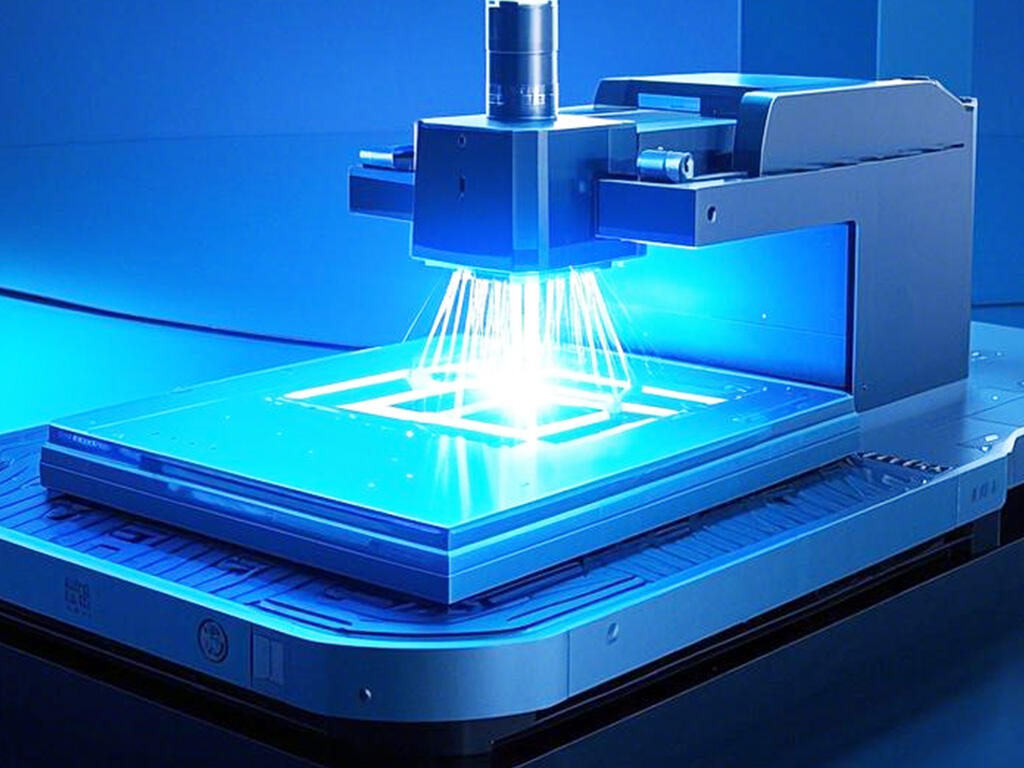
Traditional hand-carving techniques in jade artistry have great historical value, evidencing millennia of cultural and artistic heritage. Artisans with dexterity used methods like abrading with substances such as quartz and garnet to fashion complex designs, a sign of craftsmanship and dedication. By contrast, modern developments with lasers have allowed for levels of precision and productivity previously not thought possible. Laser technology enables the Artisans to produce the elements with higher precision which in turn results in less material loss and more detailed designs. Now hand-made and hand-polished jade can be replaced by this new technology of laser and jade artistry.
How Laser Engraving Machines Revolutionized Precision
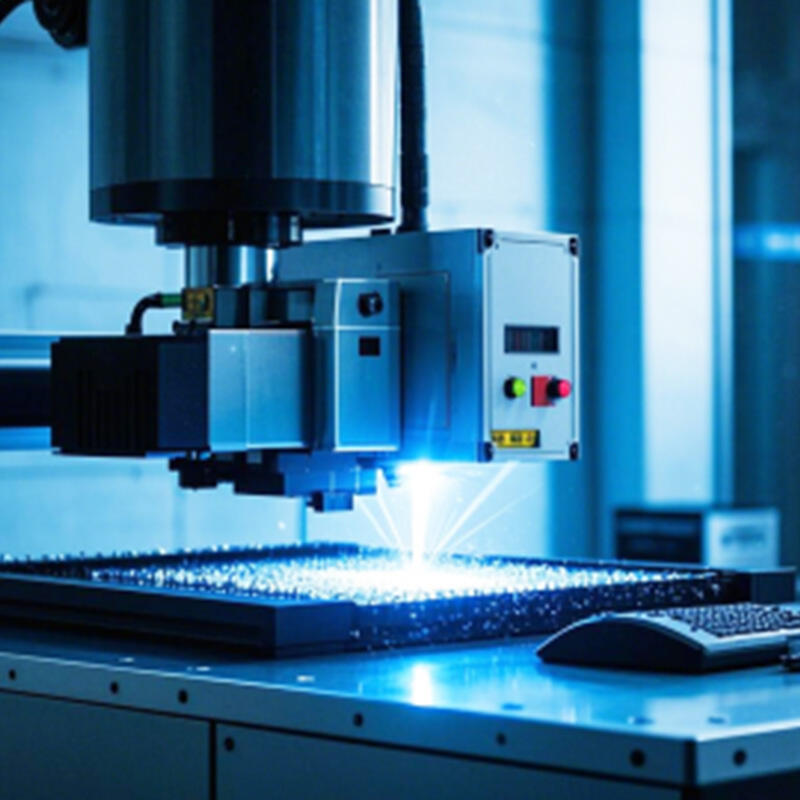
Laser engraving machines play a great role in the perfection in the jade art. And coming in different types (including CO2 laser engravers ), they all serve different purposes to meet your engraving needs. Both art forms are also becoming increasingly high-tech, with machines providing the kind of precision that was previously impossible and artisans able to do more work at a smaller scale. Other well-known artworks with the exquisite design of laser engraving receive a lot of attention, which makes it popular in the jade industry. With the application of laser carving, workshops have provided statistics of time saving and increased output, and such made a stride in the industry of jade sculpture.
Key Technologies Enabling Ultra-Detailed Jade Carvings
CO2 Laser Engravers: Mastering Delicate Surface Work
CO2 laser engravers play an important role in producing ultra-detailed jade carvings, namely, a large amount of sophisticated surface graphics, because they are able to do the fine and meticulous surface work with accuracy. These machines are designed for high fidelity in engraving without compromising the surface of the jade and increasing the level of detail. Studies have indicated that CO2 lasers can uniformly produce smoother and more detailed finishes than hand carving while reducing mistakes and material waste. Numerous artisans report an increased ability for artistic accuracy after switching to CO2 laser machines and are very happy with their upgrade.
Optimizing Laser Parameters for Jade's Unique Properties
It is essential to tune the laser speed, power or frequency, to fur the effective engraving of certain jade. Any of these settings can significantly impact the quality of the end product, and the settings may have to be refined to suit the particular mineralization of jade. For instance, lowering the power can prevent overheating and retard the degradation of the materialâs natural color. It has been reported that reduced value of the optimization parameter not only improves the quality of engraving but also reduces the possibility of cracks/features. Engravers typically suggest trial on piece of scrap material to get the most accurate settings, as the composition of each individual jade is slightly different, and requires different settings.
3D Scanning and CNC Integration in Complex Designs
The combination of 3D scanning and CNC machines has changed how intricate jade designs are made. Such technology fusion enables engravers to measure an objectâs size adequately and delivers the referring data to instructed computerized numerical control (CNC) milling. The most important advantage of this parametric design is its capacity to represent detailed designs in an accurate way and moreover, quick. This might be crucial in terms of customization and mass manufacturing. 3D Scanning In Jade Artistry With CNC As seen in recent projects, CNC combined with 3D scanning in the jade industry has achieved an unprecedented number of successful results from complex carving patterns, cleanly cut custom designs that paved the way for traditional designs to meet precise modern patterns.
Material Considerations for Precision Jade Engraving
Assessing Jade Quality for High-Resolution Outcomes
It is essential to have a concept of the quality of jade when engraving in order to obtain high resolution. Slip and texture aside, other signs, like translucency, can also tell you how well the jade might engrave. Light can pass through translucent jade more easily, so when it is engraved, delicate and fine details are more visible. Also perfect, especially if it's smoother, and especially if it's more uniform in texture, does make for cleaner lines, more precise laser engraving. There are various grades of jade which could affect the type of carving style employed. For instance, with the better texture of higher quality jade, we have the ability to carve more detailed designs. It's important to consult the quality guidelines of respected jade studies to understand what grade specifications are capable of engraving.
Managing Veins and Inclusions in Detailed Work
When engraving on jade, the natural veins and inclusions form special tasks. These defects can result in uneven engraving effects and lead to undesirable decorative purposes. But there are ways craftspeople can work through these challenges. With slight settings tweaks, the depth of engraving can be varied and this naturally occurring details can be creatively part of the overall design. The latest laser engraving technology, like the CO2 laser engraver, can control deviations in the material down to few thou of an inch, enabling artists to work around these imperfections quickly and easily for more uniform results.
Polishing Techniques for Enhanced Detail Visibility
Polishing is also necessary for inscriptions carved on jade to become clear and distinct. Buff to high shine with diamond polish on surface if desired to emphasize engraving details. This step is not just about the appearance, but also the preservation; a well polished surface holds better with time, with less wear on patterns carved into the silver holding up. Some polishing techniques such as using finer class level can influence the life span and appearance of the jade, so these techniques are beneficial to anyone who wants to create beautiful jade engravings. The truth about these approaches can really improve the quality of the end product.
Applications of High-Resolution Engraving in Contemporary Jade Works
Micro-Engraved Jewelry: Pendants and Signet Rings
The deep engraving technology has transformed the designing and crafting pendants or signet rings with delicate patterns. With it you can engrave extremely detailed designs which is both very visible, and very personal. The recently rising preference for customized jewelry has led on to greater requirement of these fine engravings. A new kind of consumerism asks for items that are beautifully unique , reflecting their own unique selves and is influencing the sale prospects of jewelry market. SpecializationCarved with laser machines, the products may also included intricate designs or personal initials on the pieces, addressing the requirement of custom goods. This advancement not only meets the demands of the consumer but also accentuates the skill in making of such fine articles.
Museum-Quality Replicas of Historical Artifacts
In addition to the reproduction of historical artifacts it is an important step in manufacturing artifacts, as is called high-resolution engraving. This guaranties the production of true museum quality replicas, crucial for educational and cultural preservation. Due to the precision offered by laser engraving machines which enables even the tiniest details which can hardly be observed with our eyes! And thoughts from museum curators leant themselves to the focus on advanced tech as a key to maintaining the integrity and authenticity of these museum artifacts. This not only helps to preserve historic knowledge, but it also guarantees that new buildings are invaluable teaching aids for the future.
Customized Architectural Elements in Luxury Design
The high-definition jade relief mounting luxury architectural works are more and more to a space to add exclusive art. With the evolution of laser technology custom designs for famous clients are increasingly obtainable, and this adds to the level of exclusivity of the luxury space. This has also given examples of how successful jade engravings have been incorporated into architecture, such as big hotels and private homes where aesthetics and luxury play a defining rule. These bespoke designs are complex and aesthetically sympathetic to overall architectural concept, and contribute in some way to the seamless mixing of timeless sophistication and cutting edge design. Here, the stone remains a predominantly luxurious symbol within new design.
Overcoming Challenges in Hyper-Detailed Jade Carving
Balancing Speed and Precision in Laser Operations
Speed and precision are critical to good quality jade craft in the process of laser engraving, and it is important to balance the two. High speed may improve productivity, but slow speed is essential for delicate detail jade carving. On the other hand, when only the quality is essential, the production time can be much prolonged, which may not be economically reasonable. Seasoned engravers might achieve this balance by adjusting specifications for the laser to accommodate for different designs and utilizing computer-controlled machines known as CNC (computer numerical control) that provide refined control. Artisans report that by experimenting different ways, you will find the right balance that won't devalue your jade carvings.
Preventing Thermal Damage in Thin-Section Work
Thinned-jade preparedness is highly vulnerable to heat and can easily be damaged under the high temperature from laser treatment. This will lead to discoloration, microcracks, or even breakage and will consequently be reflected in the end product. To help offset these risks of exposure, engravers can work with water-cooled laser cutting, focus at appropriate laser settings in order to minimize building time and exposure strength. Experience has proven that when certain instruments and methods are used, these conditions can be avoided and the overall integrity and beauty of a piece of jade may be maintained. Artisans can preserve the fine detail of their carvings on fragile jade portions by using heat-resistant protective coatings and cooling techniques.
Color Preservation Strategies for Enhanced Contrast
The fact that we offer engraving without alteration to the Jade's natural color makes this black silk cord necklace excellent for adding contrast and depth, while preserving the item's natural beauty and value. This job requires precise choice to get the job done along with products that will not affect the exact same time changing it’s normal colouration of this jade. Special lasers with defined wavelength and intensity are preferred in order to avoid changes in colour. Also, engravers frequently use barrier layers before starting to prohibit these rich colors that jade is valued for. Best practices such as, cut depths and utilizing color-corrective post-processing techniques ensure the original brilliance of the jade remains intact while highlighting fine, laser-cut detail.
Future Trends in High-Definition Jade Engraving Technology
AI-Assisted Design Optimization for Complex Patterns
Using AI to optimise designs of fine jades Computer science is playing an inflammatory role in the aesthetic designs of jade and fine jade carvings. With the help of AI algorithms, artists are now able to make pieces with better detail and complexity while preserving finer workmanship than before in jade. A number of Case studies have shown the successful use of AI in the area of design optimisation. For example, AI has been instrumental in simplifying the design process, enabling artists to play with intricate patterns that would have been time consuming or outright impossible to produce by hand. Future designs and AI improvements will further upgrade jade grinding tools, possibly offering functions such as real-time editing and design simulation.
Hybrid Water-Laser Cutting Systems for Depth Control
Hybrid water-laser cutting device is a new method applied to the engraving depth control of jade. These machines” leverage the best of water jet cutting and laser tech, offering superior control over engraving depth—an area where most tools fall short. The significant benefits for the use of hybrid systems are the ability to cope with complex designs at different layers, and keeping an eye to accuracy. Pioneers in the field are already seeing great results, with increased efficiency and quality of work in their projects. This cool technology, also known as the "water laser cutter", ensures an end to the outdated engraving methods.
Sustainable Practices in Precision Jade Processing
Jade engraving industry: Attention to sustainable development of jade will be very important. With growing concern over the environment, jade processors are looking to the “forest” to help - that is, to the practices which are leaving a smaller footprint, while partnering with other companies who share the same values and investment in the quality of their craftsmanship. This trend is helped by technological advancements including machines that operate with lower energy consumption and minimal waste. Industry chiefs are pushing to embrace these more eco-friendly methods, not just for the sake of the environment, but so that the ancient tradition of jade carving itself can have a future. As these technologies mature, they may become mainstream in the jade processing arena, stimulating both creativity and environmental conscientiousness.
Table of Contents
- The Evolution of High-Resolution Engraving in Jade Artistry
- Key Technologies Enabling Ultra-Detailed Jade Carvings
- Material Considerations for Precision Jade Engraving
- Applications of High-Resolution Engraving in Contemporary Jade Works
- Overcoming Challenges in Hyper-Detailed Jade Carving
- Future Trends in High-Definition Jade Engraving Technology