EN
EN

Metal Processing with Small Fiber Laser Engraving Machines
Stainless Steel and Aluminum: High-Contrast, Low-Power Permanent Marking
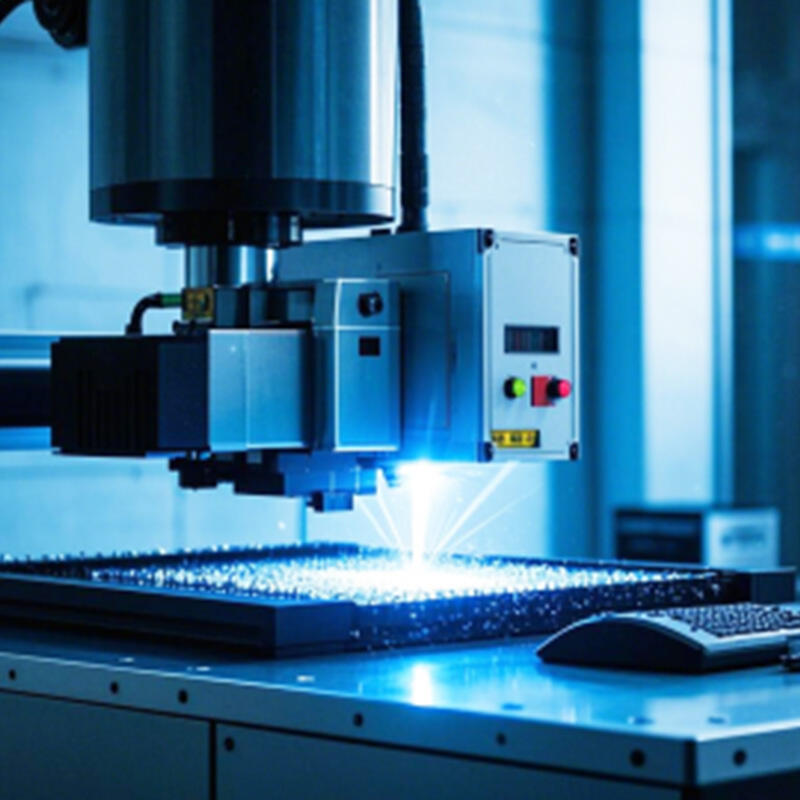
Small fiber laser engraving machines create those high contrast permanent marks on materials like stainless steel and aluminum through controlled oxidation processes or surface removal techniques while operating below 30 watts power output. The process generates minimal heat so parts stay intact without warping or damage. These engraved markings stand up well against wear and tear plus resist corrosion over time, which makes them particularly useful for things such as factory identification tags, surgical tools used in hospitals, and various parts found in aircraft manufacturing. Recent research published in Nature back in 2024 showed how these fiber lasers produce accurate engravings on aluminum surfaces with almost no distortion around the heated area known as HAZ. What's interesting is that this method actually speeds things up compared to traditional chemical etching methods when processing batches of items together, cutting down production time by about half according to the study findings.
Brass, Titanium, and Copper Alloys: Oxidation, Annealing, and Finish Trade-offs
When working with non-ferrous metals, getting the parameters just right is really important for achieving good marks while keeping the material intact. Brass gives that nice dark contrast through oxidation, but it needs some kind of protective coating after processing to stop it from tarnishing over time. For titanium, annealing works wonders, creating those deep colors underneath the surface without actually removing any material. Copper alloys are probably the trickiest though because they reflect so much light. Even small mistakes with speed settings or laser frequencies can lead to patchy results or burnt spots. Fiber lasers do manage to hit around 0.1mm resolution with all these materials, but when dealing specifically with copper, most operators end up slowing things down by about 15 to 20 percent to prevent heat damage. This takes extra time naturally, but it's worth it for consistent outcomes in the long run.
Non-Metal Materials and Laser Type Compatibility
CO₂ Laser Advantages for Wood, Acrylic, Leather, and Fabric
CO2 lasers operating at around 10.6 microns have become the go-to choice for working with organic materials and non-metals since they get absorbed much better than fiber lasers that tend to bounce right off these surfaces. When it comes to actual results, wood cuts clean without burning at moderate power levels. Acrylic gives those nice smooth edges without turning into a melted mess. Leather takes branding really well too, showing strong contrast while keeping its structural integrity intact. Even cotton fabric gets vaporized neatly without any annoying fraying issues. These CO2 systems work wonders with reflectivity below 1%, meaning they can reach similar engraving depths as fiber lasers but need only about a fifth to a third of the power when dealing with porous stuff. A quick heads up though: stay away from PVC and other halogenated plastics completely. They throw out dangerous chlorine gas and various harmful chemicals when exposed to laser light, so proper OSHA approved ventilation becomes absolutely necessary if someone insists on processing them anyway.
UV Laser Precision for Glass, Polycarbonate, and Heat-Sensitive Plastics
UV lasers operating at 355 nm wavelength create what's known as cold marking via photochemical ablation, basically breaking molecular bonds without generating much heat. This approach stops those tiny fractures from forming in glass and keeps polycarbonate from warping something that happens with CO2 lasers causing around 95-98% of all heat related issues in optics. Materials like ABS and PET thermoplastics stay dimensionally stable even when hit with 120W power levels. Plus, the short wavelength lets manufacturers engrave beneath the surface of clear materials, resulting in clean, sharp marks free from haze. Since there's no molten material left behind after processing, these UV systems pass FDA standards for medical equipment manufacturing. They also eliminate those pesky spots where bacteria might hide in ways traditional thermal techniques sometimes do.
Critical Material Limitations Affecting Laser Engraving Machine Selection
Thermal Risks with Foam, PVC, and Coated Substrates
Not all materials are safe—or suitable—for laser engraving. Three categories present serious thermal or chemical hazards:
- PVC (polyvinyl chloride): Releases chlorine gas and dioxins when lased—a documented respiratory and carcinogenic hazard. Its use is prohibited in most industrial laser environments without certified fume extraction.
- Acrylic foam and polystyrene: Have low ignition thresholds (~150°C / 302°F); exposure to laser energy can cause deformation, bubbling, or spontaneous combustion.
- Painted or coated surfaces: Vinyl, polyester, and unknown proprietary coatings may combust or emit carcinogens under laser irradiation—especially when layer composition isn’t verified.
Material compatibility verification is non-negotiable before operation. Using incompatible substrates risks irreversible part damage, regulatory noncompliance, voided equipment warranties, and workplace safety violations.
Choosing the Right Laser Engraving Machine for Your Material Mix
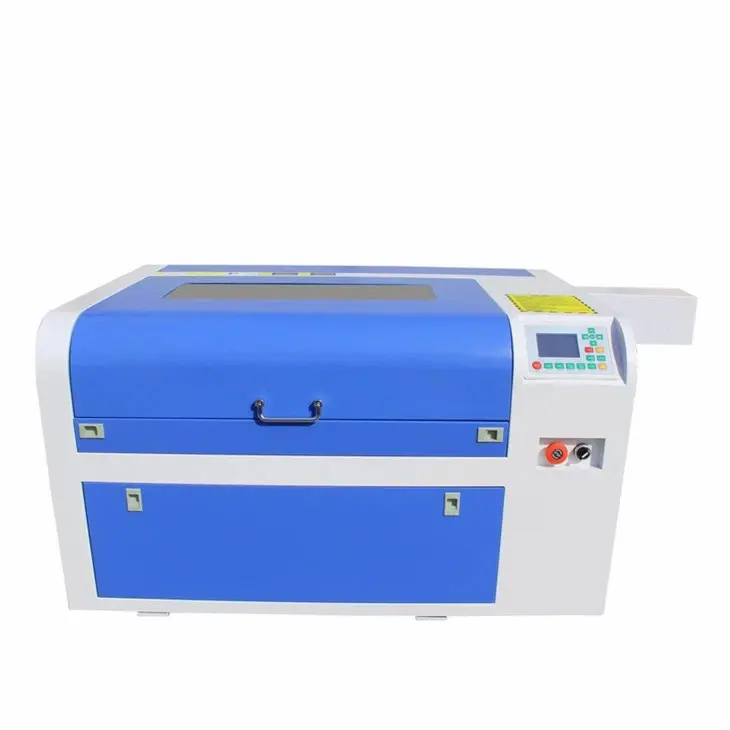
When choosing a laser engraver, start by looking at what materials make up most of your workload instead of those rare or occasional projects. Getting the wrong tech for these main materials will mess with accuracy, slow things down, and end up costing more money over time. Fiber lasers work best on metals like stainless steel, aluminum, titanium and brass. For organic materials such as wood, acrylics, leather or fabrics, CO2 lasers tend to be the better choice. And then there are UV lasers which really shine when dealing with heat sensitive stuff or materials where optical clarity matters a lot, think glass, polycarbonate plastics and ceramics. Think about these different options as we walk through matching them to what actually happens on your production floor day to day.
| Laser Type | Optimal Materials | Thermal Risk Profile |
|---|---|---|
| Fiber | Metals (steel, titanium, brass) | Low-moderate |
| CO₂ | Wood, acrylic, leather, fabric | Moderate |
| UV | Glass, polycarbonate, ceramics | Minimal |
Steer clear of systems claiming they work for everything, particularly if they don't mention anything about PVC or foam materials. Recent safety research from 2023 shows fire risks jump dramatically when using unknown materials, sometimes hitting around 30 percent in setups that aren't properly set up. When choosing equipment, consider both the power range (usually between 20 watts to 100 watts) and the bed size based on what parts need marking plus how many pieces go through each day and their thickness. Shops dealing with multiple materials might find dual source systems handy, though these come with extra headaches since maintenance goes up roughly 40 percent along with all the calibration work needed. Testing is absolutely critical before full scale production starts. Look at how marks hold up after rubbing, check if edges stay sharp at normal operating speeds, and make sure everything meets relevant standards like ISO 13485 when working on medical products.
FAQ
What are the primary types of lasers used in engraving machines?
The main types are fiber lasers, CO2 lasers, and UV lasers, each suitable for different materials.
Why are CO2 lasers preferred for organic materials?
CO2 lasers have a wavelength that organic materials absorb well, leading to cleaner cuts with less power.
What kind of maintenance do dual source laser systems require?
Dual source systems need roughly 40% more maintenance due to increased calibration work and upkeep.
Are fiber lasers suitable for all types of metal?
Fiber lasers excel with metals like stainless steel, aluminum, titanium, and brass but struggle with highly reflective materials like copper.