EN
EN

The Role of Dust-Proofing in Laser Welding Efficiency
Challenges of Contaminants in Laser Welding Processes
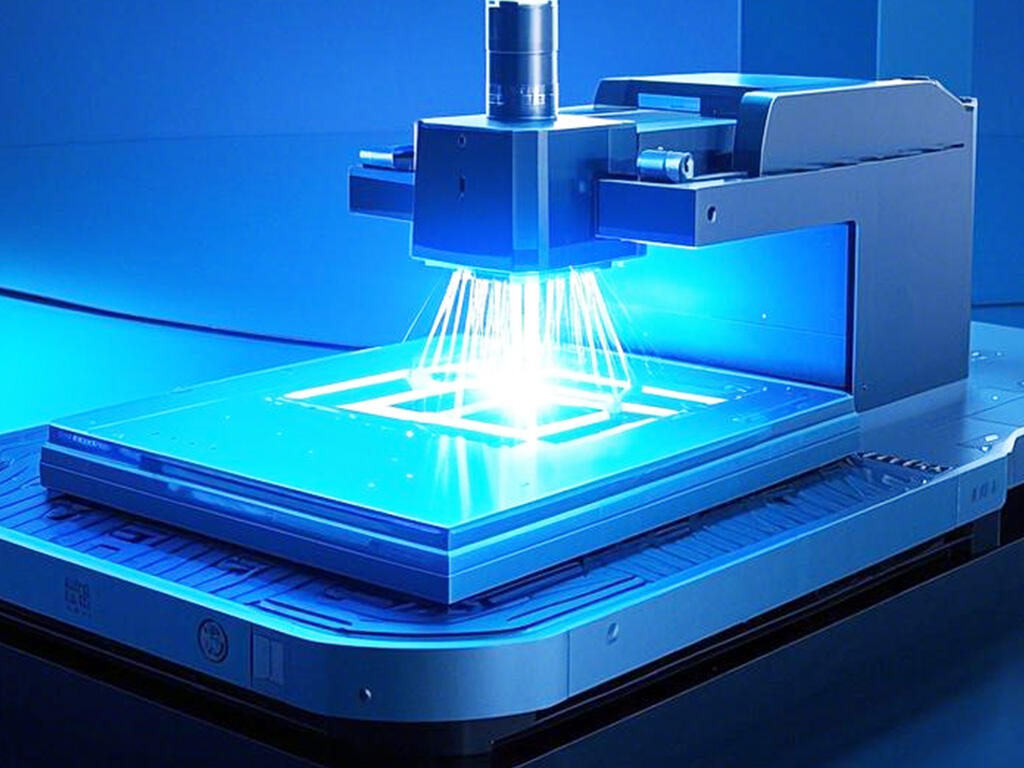
Maintaining laser beam quality is crucial in welding, but contaminants like dust and debris can severely hinder this. Contaminants contribute to up to 30% of laser welding defects, according to research. This is because dust interferes thermally, causing poor energy absorption and significant loss of energy during the welding process. Consequently, this results in inconsistent welds that compromise the structural integrity of the workpiece. Implementing dust-proofing measures can enhance the efficiency of laser welding machines by ensuring a cleaner working environment, reducing defects, and improving the reliability of welds.
Innovative Sealing Technologies for Laser Welding Machines
Advancements in sealing technologies now significantly enhance the insulation capability of laser welding machines against dust ingress. Innovation is seen in the development of advanced gaskets and smart seals, which can adapt dynamically to varying temperatures and pressures, fortifying the machine's defenses against contaminants. Such technologies not only augment the structural reliability of laser welding machines but also drastically reduce maintenance downtime. Consequently, these sealing technologies contribute to increased operational efficiency, which is essential for sustaining high productivity levels in any manufacturing setting.
Impact of Dust-Proofing on Weld Quality and Machine Longevity
Effective dust-proofing measures have a direct impact on enhancing weld quality by ensuring fewer defects and creating higher strength joints. Studies indicate that machines with robust dust-proofing can achieve a lifespan increase of up to 20%. This prolongation of machine life translates into significant long-term savings through reduced repair needs and increased operational productivity. Although the initial cost of implementing dust-proofing measures might seem high, these long-term savings far surpass the upfront expenses, making it a wise investment for companies keen on maintaining optimal production standards.
Photonic Cooling Breakthroughs for Laser Systems
Sandia Labs' Laser-Based Data Center Cooling Technology
Sandia Labs has pioneered a revolutionary laser-based cooling system that significantly cuts energy usage in data centers. By employing photonic crystals, this technology enhances heat dissipation, making it ideal for environments with high power demands. Impressively, pilot tests showcased cooling efficiencies surpassing 90%, highlighting its viability for widespread industrial application. The partnership between Sandia, Maxwell Labs, and the University of New Mexico is designed to push this cooling technology forward, addressing the growing demand for energy-efficient solutions in various sectors.
Benefits of Photonic Cold Plates vs Traditional Methods
Photonic cold plates deliver superior thermal management compared to traditional cooling systems, ensuring uniform cooling that is essential for optimal laser performance. These innovative plates promise a reduction in cooling costs by up to 30%, providing not just economic benefits but also maintaining the system's compactness and aesthetic efficiency. The integration of photonic cold plates into existing setups allows for more space-efficient designs, which can be a crucial factor in limited-space environments such as data centers and industrial facilities.
Applications in High-Power Laser Welding Operations
Using photonic cooling in high-power laser welding operations can greatly enhance productivity and quality. This technology ensures consistent beam quality, which is essential for achieving precise and strong welds. Effective thermal management is crucial in these operations to prevent overheating and resultant damage to optical components. Industries adopting these advanced cooling solutions have reported not only faster processing speeds but also superior-quality welds, which can be pivotal in maintaining competitive advantage in the metal fabrication and manufacturing sectors.
Dual-Axis Wobble Welding for Precision Joints
Dual-axis wobble welding is a groundbreaking technique that offers unprecedented precision in forming joints, making it ideal for complex assemblies. This innovative method increases the effective heat input, which significantly enhances weld penetration and bond strength. As a result, practitioners in the industry often observe a decrease in rework, as the improved accuracy of this technique ensures high-quality outcomes. By incorporating this method, businesses can not only achieve superior precision welding but also streamline processes by reducing errors and defects.
Integrated Wire Feeding Systems for Complex Repairs
The integration of wire feeding systems into handheld laser welders has revolutionized the ability to conduct in-situ repairs with minimal setup. These systems allow for flexibility in welding various materials and thicknesses, thereby expanding the scope of applications. Real-world case studies have reported reductions in repair times by up to 40% thanks to this integration. The ability to efficiently handle complex repairs makes these systems invaluable in industries requiring quick and reliable solutions without the need for extensive setup time.
Safety Enhancements in Portable Laser Welding
Safety remains a top priority in portable laser welding systems, leading to several recent advancements. Modern systems now include features such as automatic shut-off and enhanced laser shielding to protect operators from potential hazards. Furthermore, updated training modules emphasize safety protocols, increasing both awareness and compliance among users. According to statistics, these enhanced safety measures have led to a notable decrease in workplace incidents, underscoring the importance of integrating comprehensive safety enhancements in laser welding operations for protecting personnel and maintaining operational efficiency.
Comparing Welding and Cutting Laser Technologies
Key Differences Between Laser Welding and Cutting Machines
Laser welding and cutting machines serve distinctly different purposes. Laser welding focuses on joining materials through the fusion of edges, while laser cutting uses concentrated energy to sever materials into desired shapes or sections. This core difference influences the machinery’s design—welding machines often operate with lower power requirements compared to cutting machines, offering flexibility for various applications. When selecting appropriate technology for specific tasks, manufacturers must consider these variations, ensuring they match the machine's capabilities with the intended job, whether creating robust joints with a laser welding machine or intricately cutting metals.
Multi-Function Systems for Industrial Flexibility
In the world of industrial applications, multi-function laser systems offer remarkable flexibility. These systems allow operators to dynamically switch between cutting and welding tasks, accommodating the rapid pace of manufacturing environments. By consolidating operations into a single machine, these systems can significantly reduce overall equipment costs, leading to increased production efficiency. In fact, case studies have shown that companies employing these innovative systems have experienced productivity boosts of up to 25%—a testament to how integral multi-functionality has become for modern manufacturers seeking to optimize their processes and harness the capabilities of multi-function laser systems.
Material Compatibility: Metals vs Plastics Processing
Laser technologies are tailored to accommodate different materials, a critical factor in manufacturing outcomes. While some lasers are adept at processing metals, others specialize in plastics, each responsive to the distinctive thermal properties these materials exhibit. The choice of laser type directly affects the quality and effectiveness of material processing, underscoring its importance. Research has highlighted that matching the right laser technology to the material can significantly impact production efficiency and the quality of the finished product, whether dealing with metals or plastics in the realm of laser processing.
Cost Considerations for Modern Laser Systems
Analyzing Laser Welding Machine Price vs Performance
When analyzing laser welding machine prices, it's crucial to realize that higher initial costs often correspond with superior performance and durability. Prospective buyers should carefully assess the total cost of ownership, which encompasses maintenance expenditures and operational efficiency. According to industry reports, opting for higher-quality laser welding machines can result in up to a 50% reduction in failure rates over time. This insight underscores the necessity to balance initial investment with long-term benefits, emphasizing the importance of quality and reliability in such high-stakes purchases.
Energy Efficiency Savings with Advanced Cooling Solutions
Advanced cooling technologies in laser systems can significantly enhance energy efficiency, resulting in substantial savings. Case studies reveal that efficient laser machines can slash cooling costs by as much as 40%, which can have a profound impact on operational budgets. Additionally, investing in energy-efficient systems not only boosts cost-effectiveness but also aligns with broader sustainability goals advocated by industry leaders. By prioritizing such systems, businesses can optimize their energy consumption while contributing to environmental preservation.
ROI Calculation for Dust-Proof Industrial Installations
Calculating the return on investment (ROI) for dust-proofing installations involves evaluating the time saved on maintenance and reducing operational disruptions. Data suggest that facilities implementing dust-proof systems experience a payback period of less than three years. This makes for a compelling case for investors, who must weigh the long-term financial benefits against the upfront expenditures. By adopting dust-proof installations, manufacturers can ensure smoother operations, increasing productivity and prolonging equipment lifespan.