Iron Laser Cutting: The Foundation of Modern Heavy Metal Fabrication
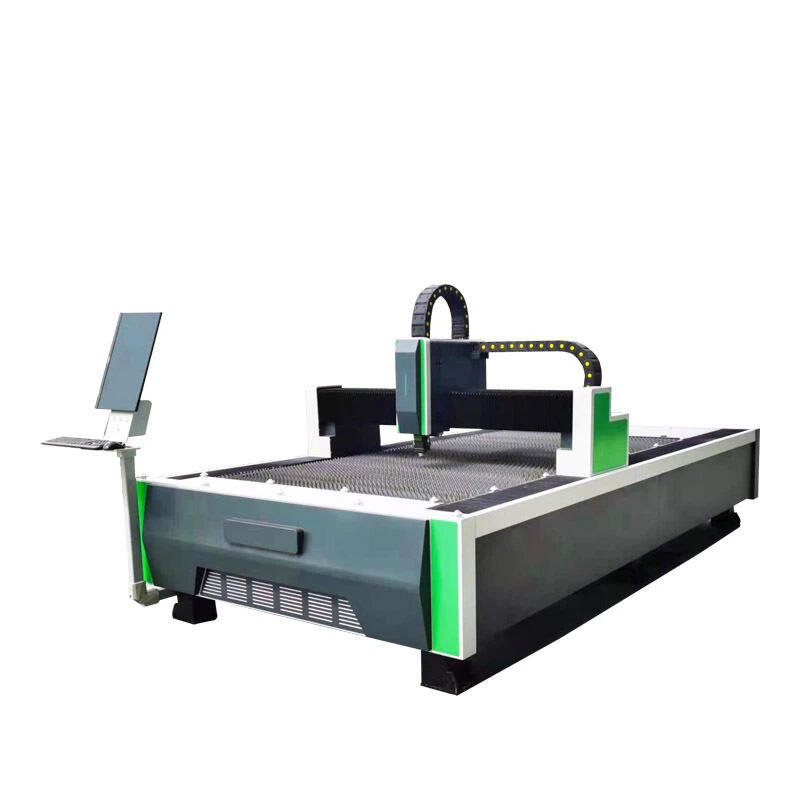
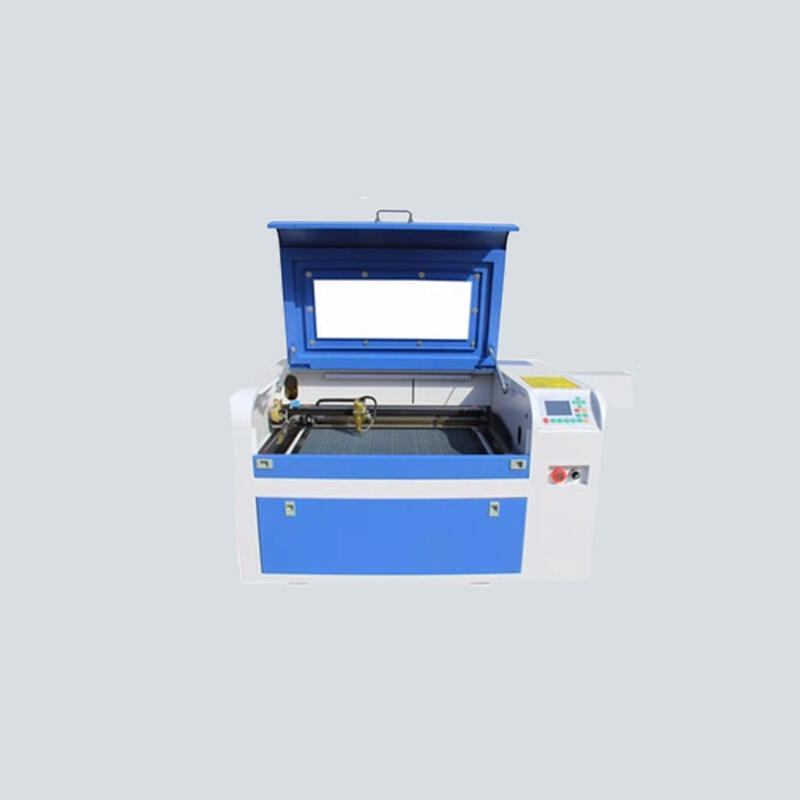
The fabrication of iron and steel—the backbone of industrial manufacturing—has been revolutionized by the adoption of laser cutting technology. An Iron Laser Cutter represents a significant leap from traditional thermal or mechanical methods, offering a combination of speed, precision, and flexibility that redefines production capabilities. At ZhongGuangDian Optoelectronics, we apply our specialized knowledge to provide systems that transform raw steel plate into precise components with efficiency and consistency, serving industries from construction and heavy machinery to automotive and energy.
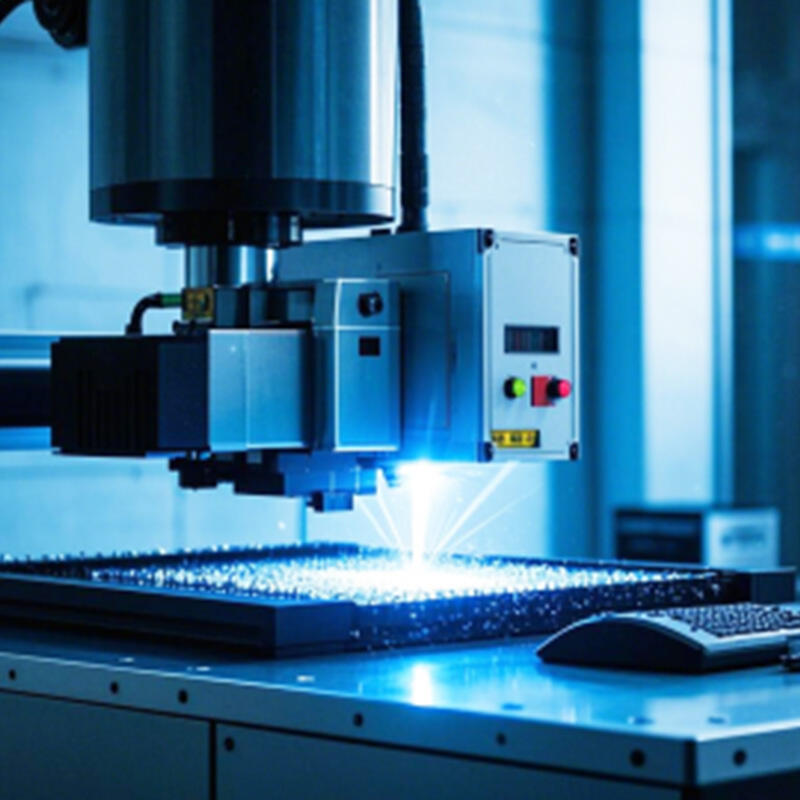
The process leverages a high-power, focused laser beam to melt and vaporize metal along a digitally defined path. For ferrous metals, fiber lasers are predominantly used due to their excellent absorption characteristics, high electrical efficiency, and superior beam quality. The cutting process is often assisted by a reactive gas (like oxygen) or an inert gas (like nitrogen), depending on the desired edge finish. Oxygen-assisted cutting of mild steel is highly exothermic, significantly increasing cutting speed for thicker plates, though it leaves an oxidized edge. Nitrogen cutting, used for stainless steel and when a clean, oxide-free edge is required, produces a bright, ready-to-weld finish but at a higher operational gas cost. The non-contact nature of laser cutting eliminates tool wear and mechanical stress, allowing for intricate contours, sharp angles, and fine features that would be challenging or impossible with punches or plasma.
The practical applications are vast and critical. In construction and infrastructure, laser-cut steel is used for structural beams, brackets, and architectural elements. The agricultural and mining equipment sector relies on it for durable, complex component shapes. Transportation manufacturing utilizes it for chassis parts, frames, and brackets. For job shops and custom fabricators, an iron laser cutter provides the agility to handle one-off projects, prototypes, and short runs without the cost and lead time of hard tooling, making it an essential tool for business adaptability.
Choosing the right Iron Laser Cutter, however, requires a strategic evaluation of several key factors:
Material Spectrum and Thickness Capacity: Clearly define the range of materials (e.g., mild steel, stainless, armored plate) and the maximum thickness you need to process regularly.
Cut Quality Requirements: The required edge quality (dross level, squareness, surface finish) will influence the choice of laser power, assist gas, and machine precision.
Production Volume and Automation Needs: High-volume environments demand faster cutting speeds, automatic nozzle changers, and compatibility with material handling automation (loaders/unloaders).
Operating Costs and Ease of Use: Consider factors like electrical consumption, gas usage, consumable life (nozzles, lenses), and the intuitiveness of the nesting and control software, which all impact long-term profitability and operator efficiency.
In essence, investing in a dedicated Iron Laser Cutter is an investment in manufacturing capability and competitive edge. It dramatically reduces lead times by consolidating multiple machining steps, minimizes material waste through intelligent software nesting, and enables the production of complex parts in a single operation. It provides the precision and repeatability needed for modern quality standards. Partnering with an experienced provider who offers robust technology, application expertise, and comprehensive lifecycle support—as we do—ensures this strategic investment delivers maximum operational and financial return, solidifying your position in the market.
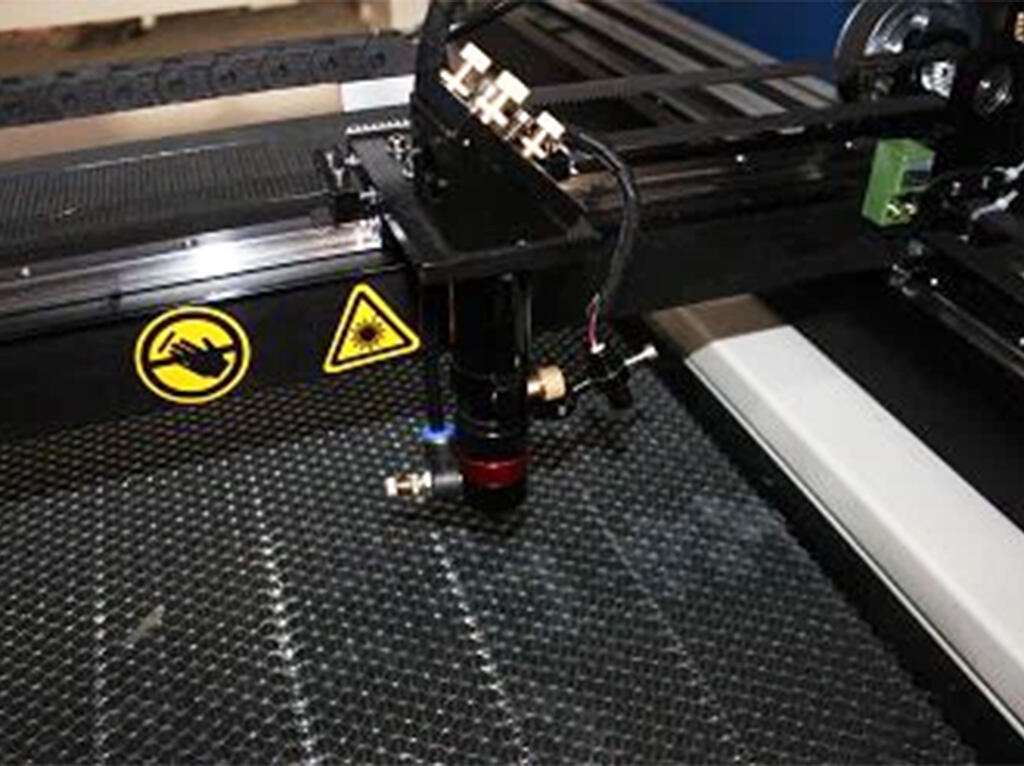
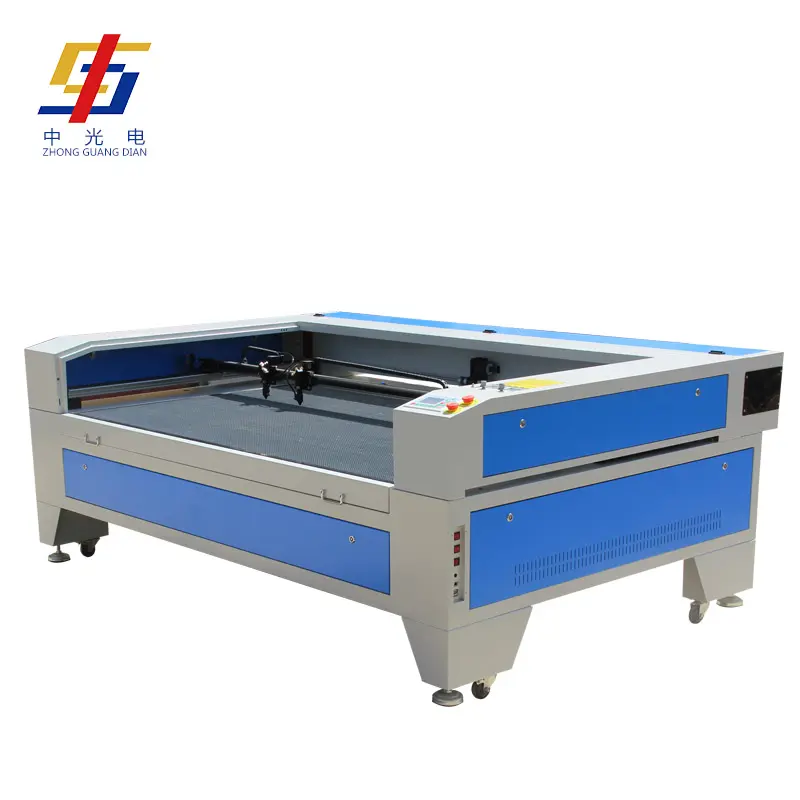
Shandong ZhongGuangDian provides advanced laser marking machines and custom laser equipment for various industries. Our reliable products, fast delivery, and lifetime warranty ensure customer satisfaction.
 EN
EN