The Strategic Imperative of Barcode Laser Marking for Modern Manufacturing
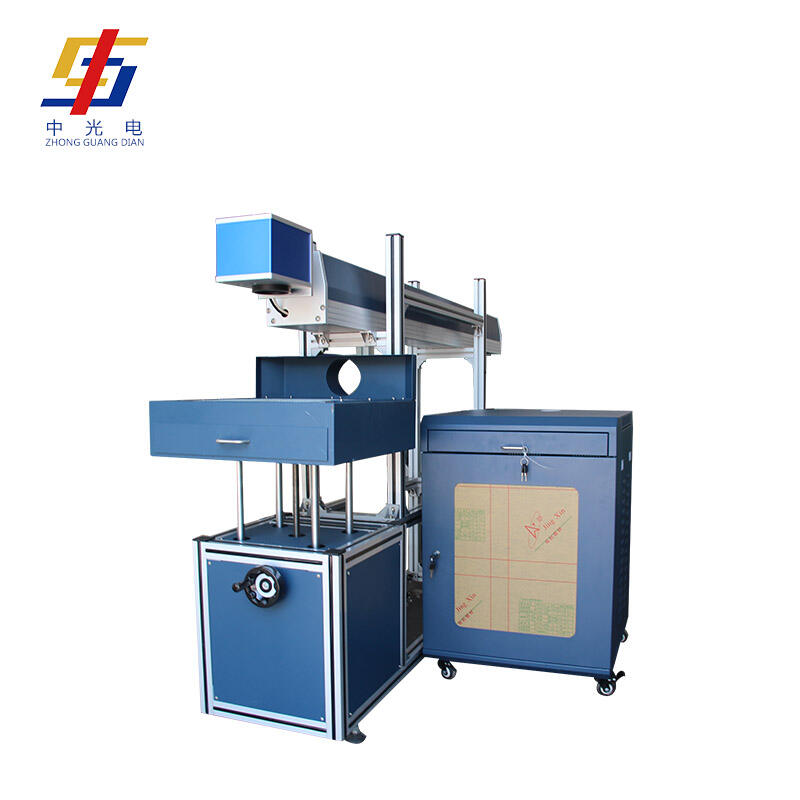
In an era defined by globalized supply chains, stringent regulatory compliance, and the demand for absolute quality control, the ability to track and identify a product throughout its entire lifecycle is not a luxury—it is a necessity. The Barcode Laser Marking Machine has emerged as the cornerstone technology for achieving this permanent, reliable, and data-rich identification. At ZhongGuangDian Optoelectronics, we leverage our specialized experience to provide systems that transform this imperative into a practical, efficient, and integrated part of your manufacturing process, ensuring each component tells its own story from production to end-of-life.
The fundamental superiority of laser marking for barcodes lies in its permanence and versatility. Unlike labels, inks, or dot peen markings, a laser chemically or physically alters the material's surface to create a high-contrast code that is integral to the part itself. This makes it resistant to abrasion, heat, solvents, and weathering—critical for parts in harsh environments like engines, surgical tools, or outdoor equipment. The technology excels at creating both linear (1D) barcodes and high-density 2D codes, such as Data Matrix or QR codes, which can store vast amounts of information in a minuscule space, including serial numbers, batch data, lot codes, and website links. This is particularly vital for industries like medical devices, where Unique Device Identification (UDI) regulations mandate direct part marking (DPM) with scannable 2D codes for patient safety and supply chain integrity.
The applications permeate every high-value manufacturing sector. The automotive and aerospace industries rely on laser-marked codes for tracking every component, enabling precise recalls and warranty management. In electronics, micro-codes on circuit boards and chips facilitate quality control and combat counterfeiting. For tool and mold manufacturing, permanent identification ensures asset tracking and maintenance scheduling. Even in consumer goods, laser-marked QR codes enable brand protection, authentication, and customer engagement.
Selecting the right Barcode Laser Marking Machine, however, requires careful consideration of several technical and operational factors:
Readability vs. Material: Different materials (anodized aluminum, stainless steel, engineered plastics) require different laser parameters (wavelength, pulse width) to achieve the contrast and integrity needed for a Grade A or B code as per ISO standards.
Integration & Software: The machine must seamlessly connect to your existing production data flow. Look for software that supports direct communication with databases and can dynamically generate and mark variable data in real-time.
Speed & Throughput: The marking speed must align with your production line's cycle time without becoming a bottleneck.
Verification: Built-in or offline verification systems are crucial to ensure every code meets quality standards before the part moves downstream.
Ultimately, investing in a professional Barcode Laser Marking Machine is an investment in operational intelligence, risk mitigation, and regulatory compliance. It reduces errors associated with manual labeling, enables granular traceability for root-cause analysis, protects your brand from counterfeiters, and provides the data backbone for Industry 4.0 initiatives. Partnering with an experienced provider who understands these multifaceted requirements—and offers the robust hardware, intelligent software, and lifelong support to match—is essential to unlocking the full strategic value of this critical technology.
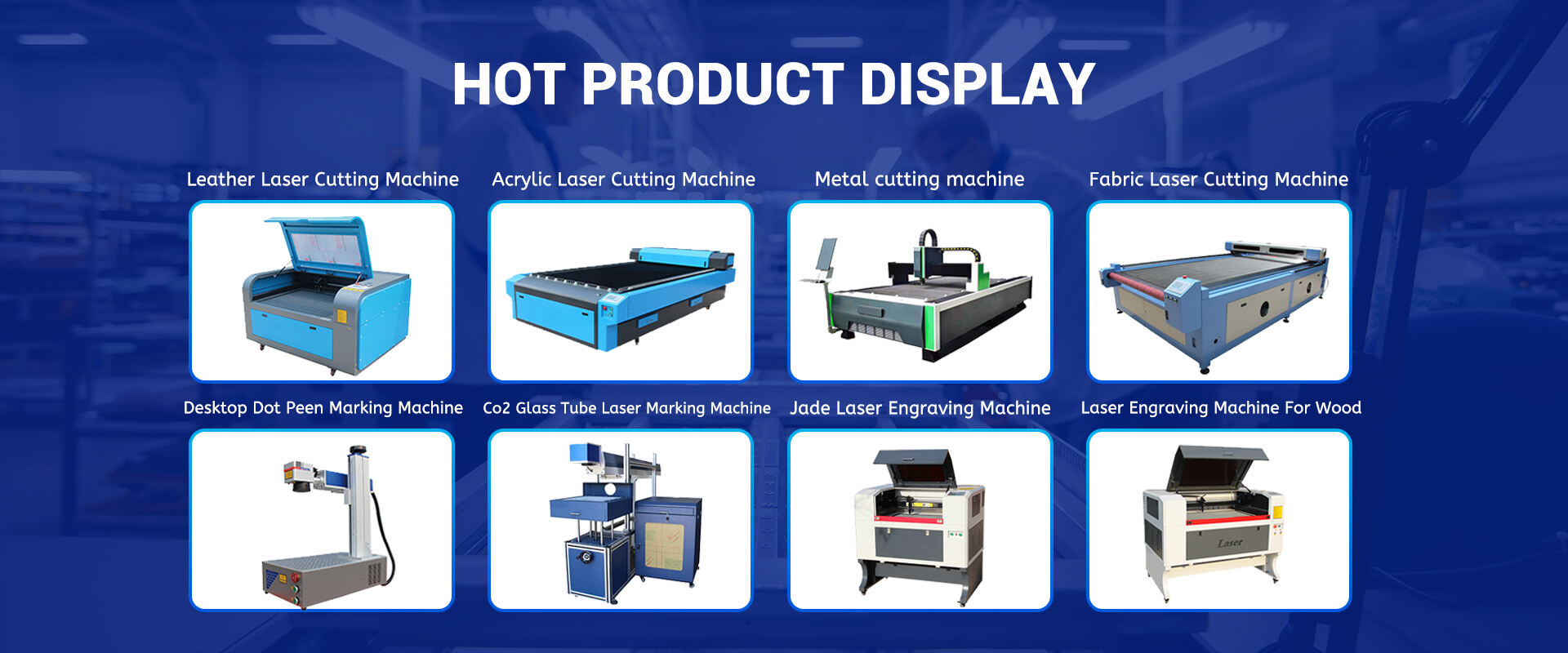
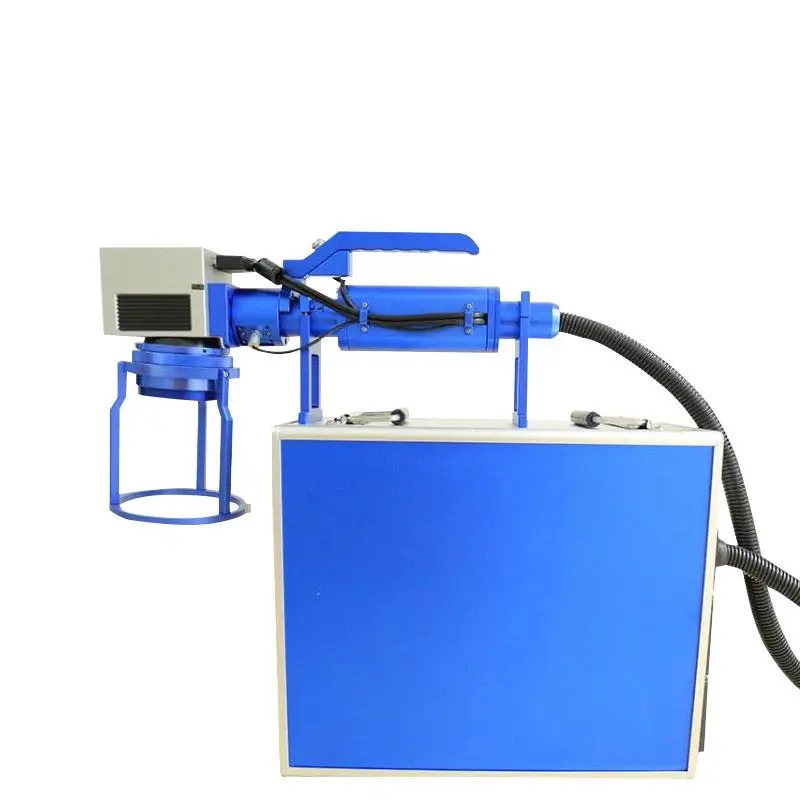
Shandong ZhongGuangDian provides advanced laser marking machines and custom laser equipment for various industries. Our reliable products, fast delivery, and lifetime warranty ensure customer satisfaction.
 EN
EN